Appliance and HVAC Electrical Hookups in Kings Point, Naperville – The Hidden Problem That Delays Your New Appliance
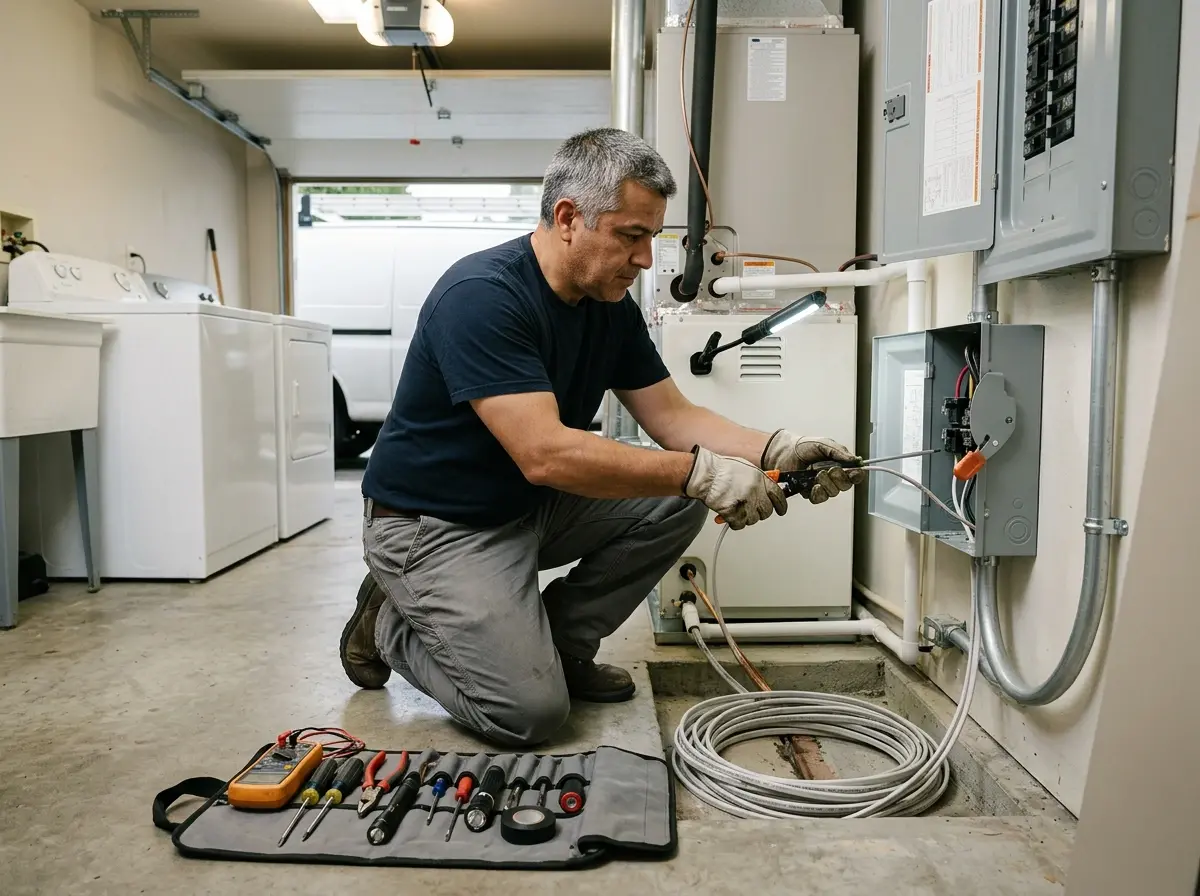
You ordered a new induction range. It arrives Tuesday. The delivery team unwraps it, slides it into place, and plugs it in. Nothing. The display won't light. Or worse — the cord doesn't even reach the outlet. Or the outlet is the wrong type. Or the breaker trips immediately. The delivery driver shrugs and says "call an electrician." Now you have a $3,000 appliance that is a decoration, not a tool. This scene plays out daily across Kings Point and Naperville. New appliances need specific electrical conditions: a dedicated circuit, the correct outlet type (NEMA 14-30 for dryers, NEMA 14-50 for ranges), the right breaker amperage (30A, 40A, 50A, or 60A), and proper wire gauge (10 AWG for 30A, 6 AWG for 50A). Most homes built before 1990 have none of these. Our licensed electrical company specializes in appliance and HVAC electrical hookups. We come before the delivery truck, inspect your existing wiring, and install exactly what your new appliance needs. We run dedicated circuits where none exist, upgrade old three‑prong outlets to modern four‑prong (hot‑hot‑neutral‑ground), and replace undersized wire. We also handle AC disconnect installation for new heat pumps and central air conditioners. Homeowners across Kings Point and Naperville call us because we eliminate delivery‑day surprises. Your new appliance will work the moment it arrives.
Before the Delivery Truck Arrives – How We Prepare Your Home for a New Appliance
Most appliance hookup problems are predictable. We have seen the same issues hundreds of times. Below is what we check and install before your new appliance arrives, along with typical timeframes for a home in Kings Point or Naperville.
- Dryer hookup preparation – verify existing outlet type (NEMA 10-30 is old three‑prong; NEMA 14-30 is modern four‑prong with ground). If old, we run new 10/3 NM cable and install 14-30 receptacle. Also verify breaker size (30A) and wire gauge (10 AWG). Time: 2‑3 hours.
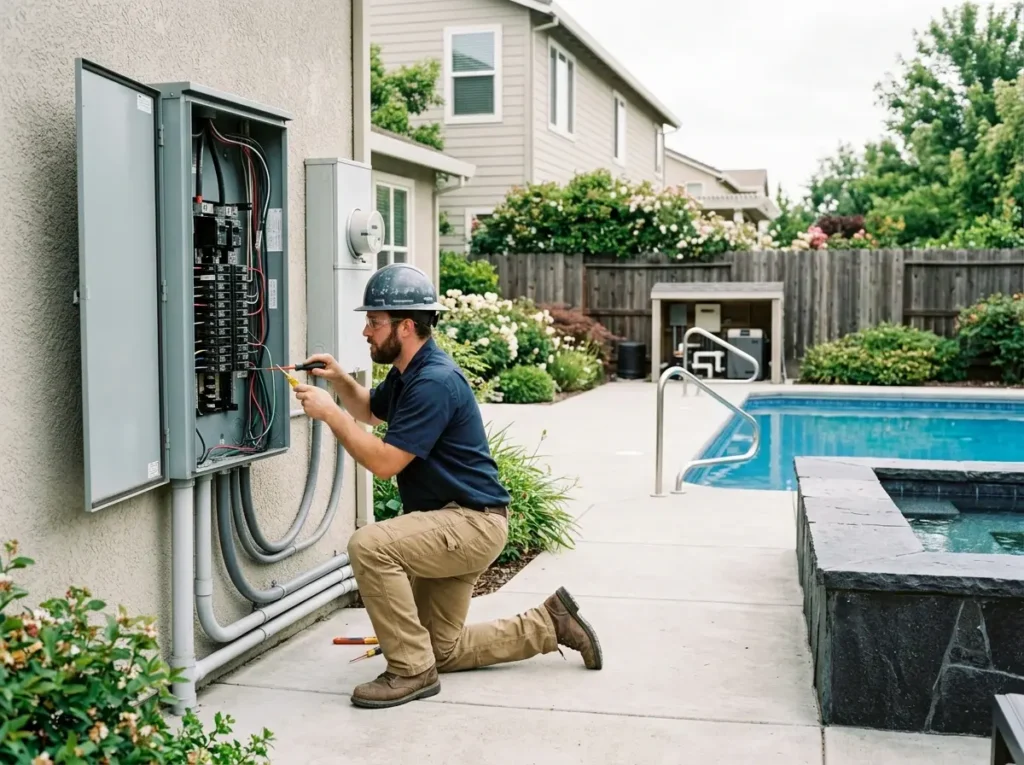
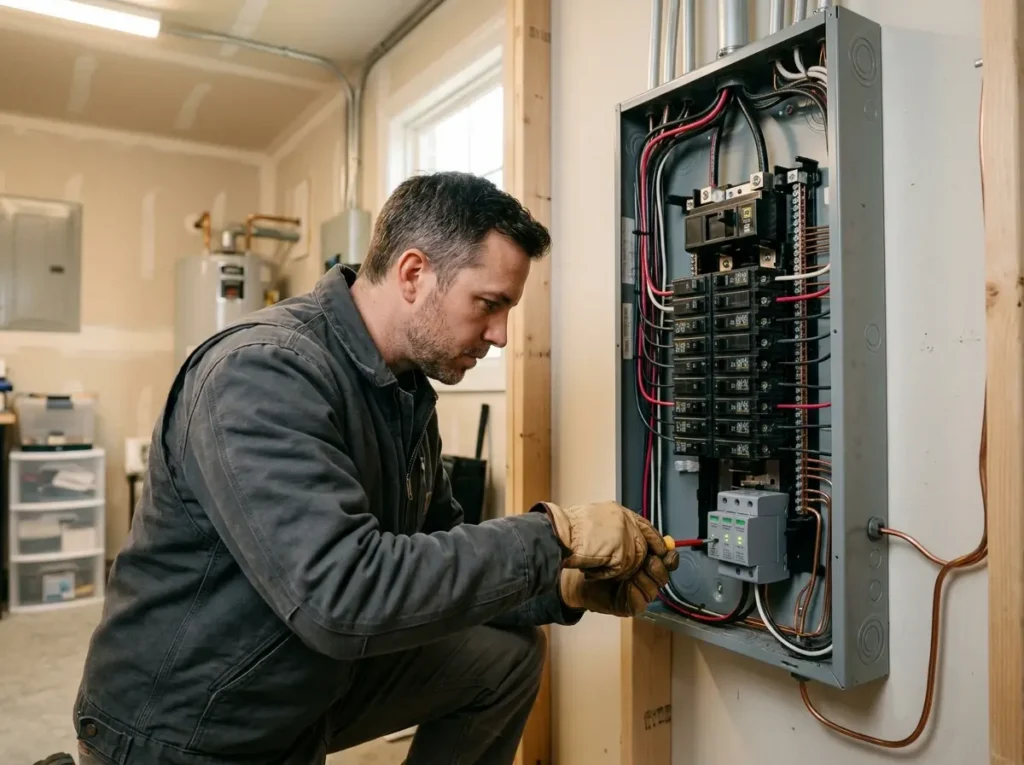
- Range hookup preparation – most new electric ranges require NEMA 14-50 outlet (50A). Older homes often have NEMA 10-50 (three‑prong, no ground) or even a hardwired connection. We run new 6/3 cable from panel, install 50A breaker, and mount 14-50 receptacle. Time: 2.5‑4 hours.
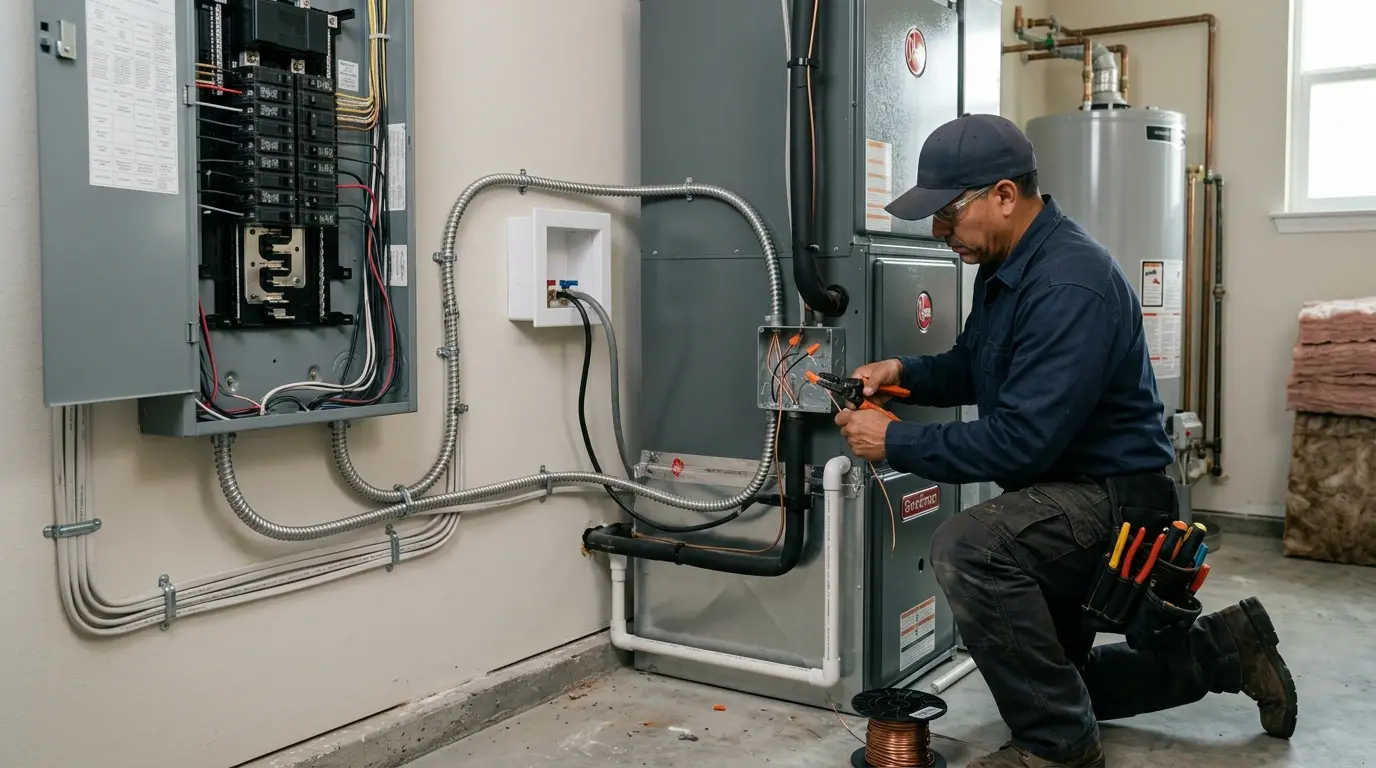
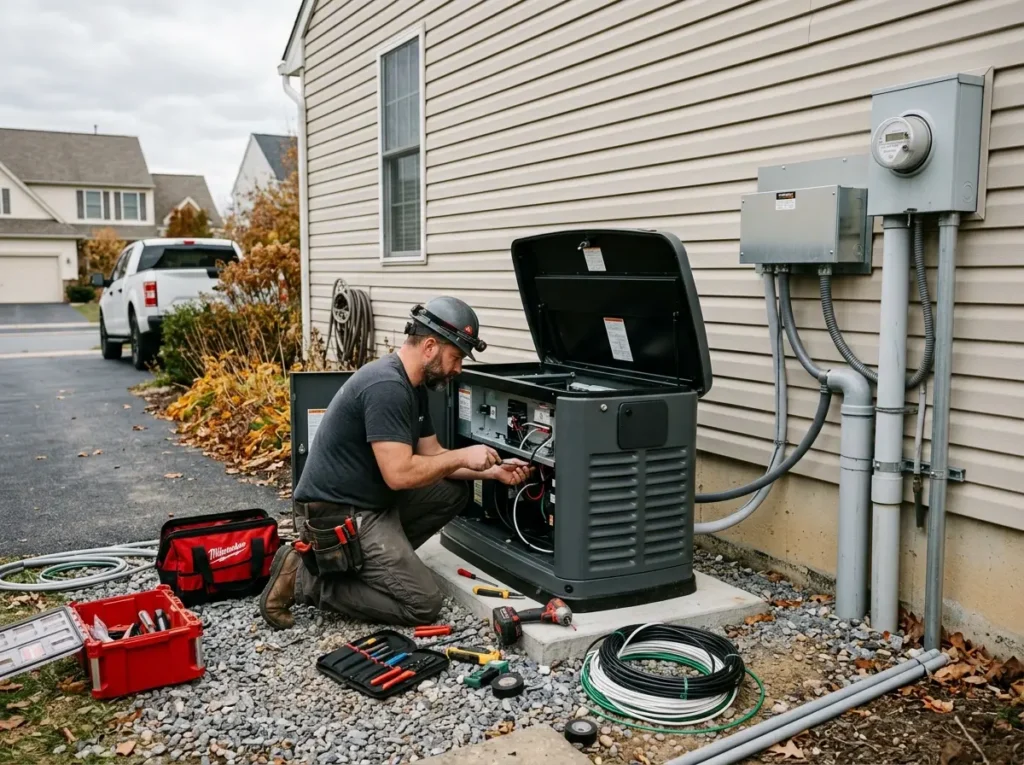
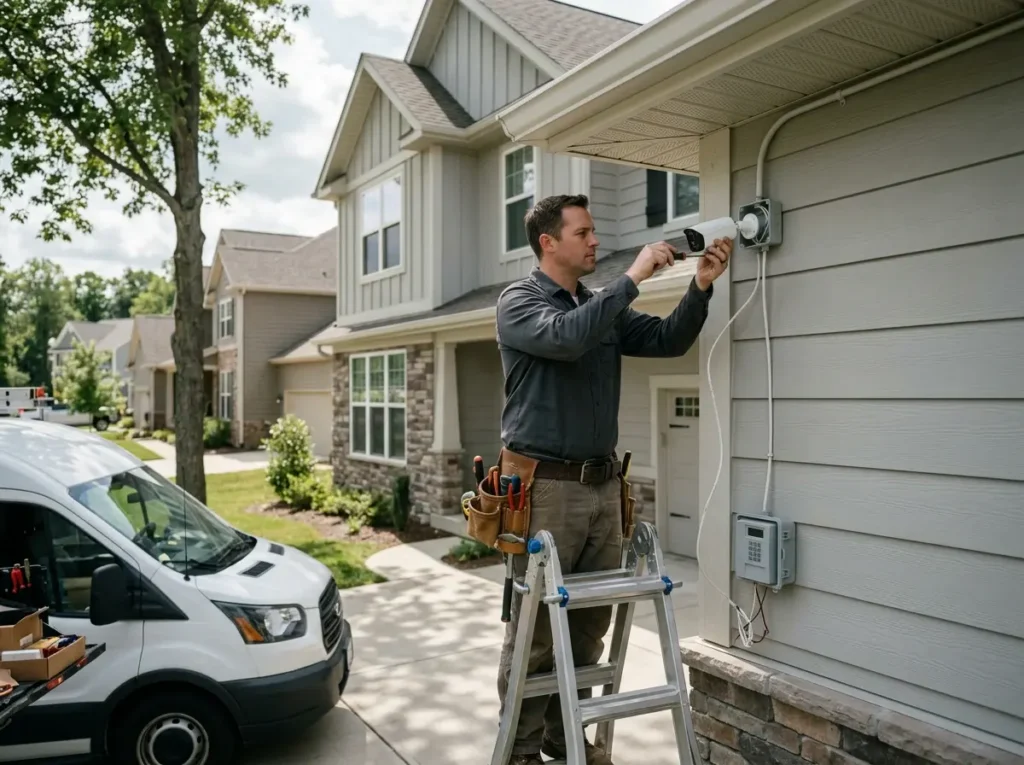
- AC disconnect installation – new HVAC systems require a weatherproof disconnect within sight of the outdoor condenser (within 50 feet). We mount the disconnect, run liquid‑tight conduit, and connect to the unit. Time: 1.5‑3 hours.
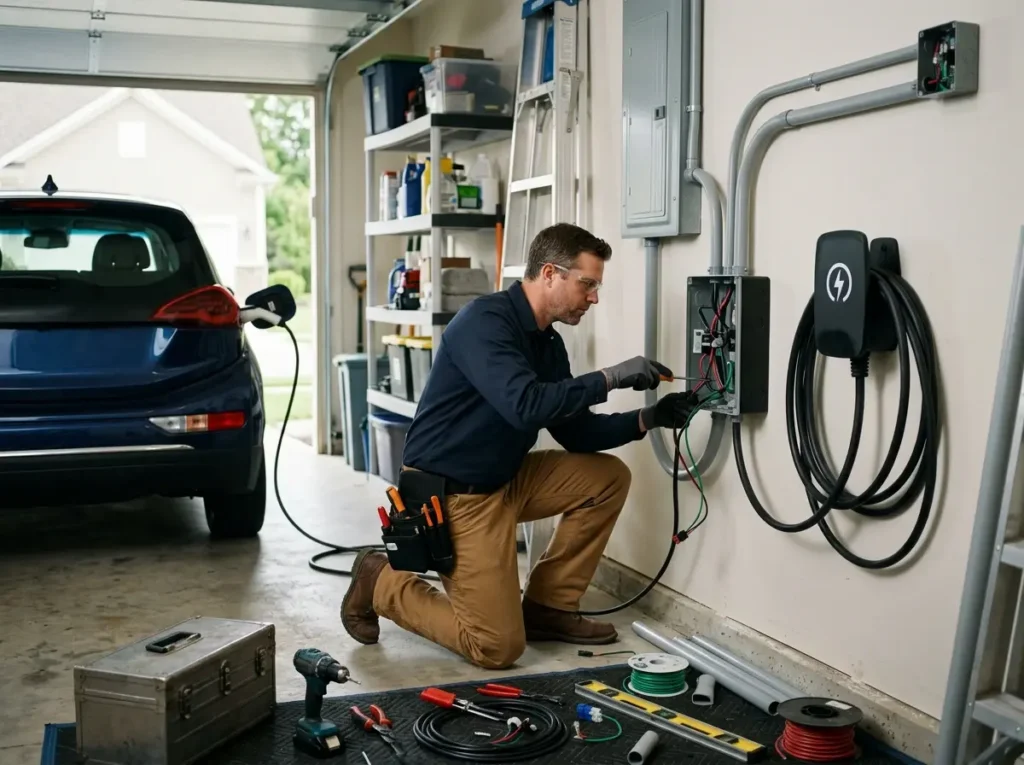
- EV charger hookup – NEMA 14-50 outlet or hardwired connection. Requires 40‑60A breaker and 6 AWG or 4 AWG wire depending on run length. Time: 2‑5 hours.
- Dishwasher and disposal – dedicated 20A circuit with GFCI protection (if under sink). Hardwired or outlet connection. Time: 1.5‑2.5 hours.
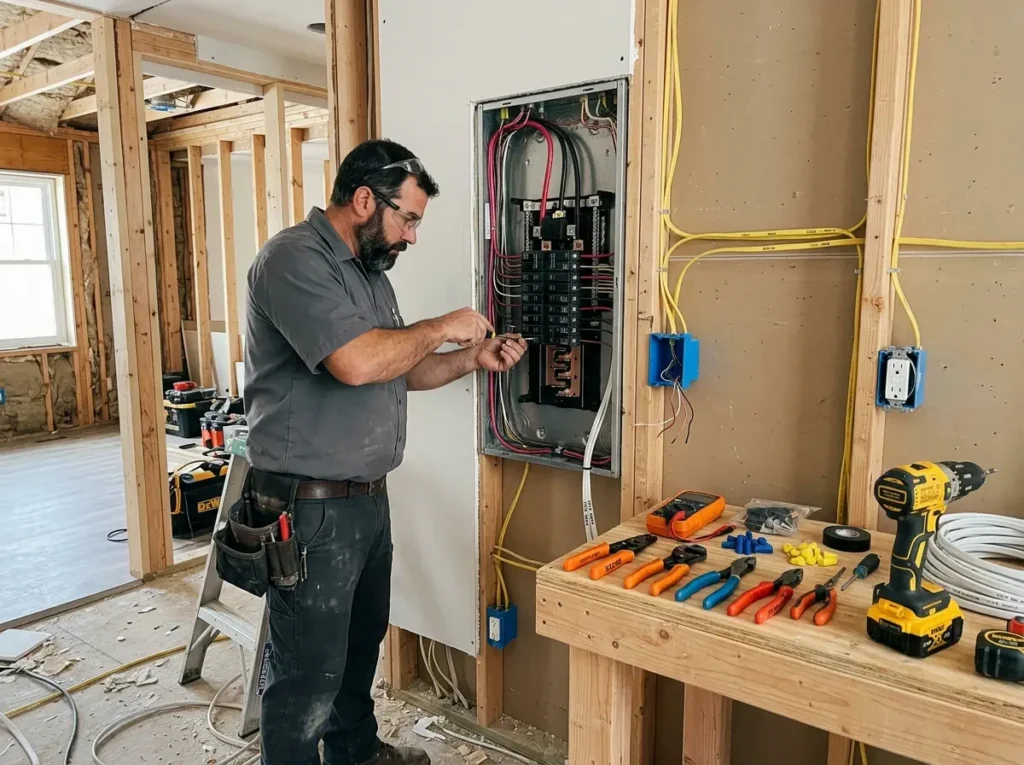
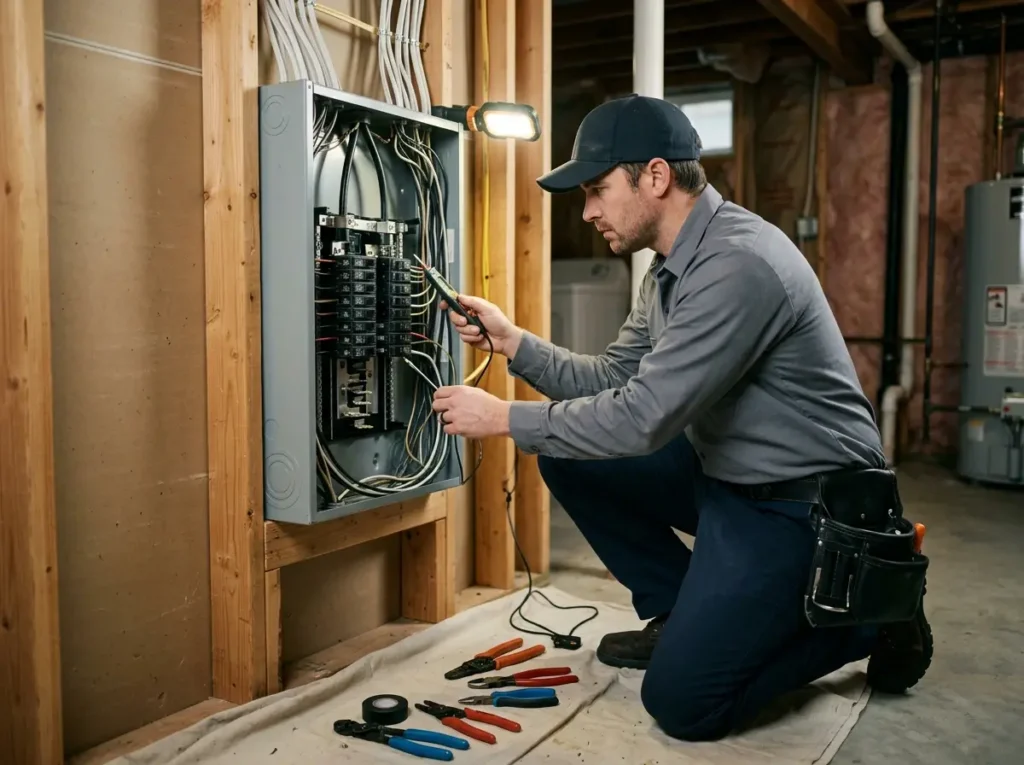
- Pre‑purchase inspection – if you haven't bought the appliance yet, we come out, inspect your panel, measure distances, and tell you exactly what you need. You get a written report to take to the appliance store. Time: 1‑2 hours.
The Most Common Delivery‑Day Disasters We Prevent – Real Stories from Kings Point and Naperville
We have been called to hundreds of homes after a delivery truck left a non‑working appliance. Below are real examples of what we found – and how long it took to fix, after the fact.
- New range, but the old outlet was NEMA 10-50 (three‑prong, no ground). The new range required NEMA 14-50 (four‑prong with ground). Fix: Run new 6/3 cable from panel, install new outlet. Time: 3 hours. The homeowner had already waited a week for the range to arrive.
- New dryer, but the existing circuit was only 20A with 12 AWG wire. Dryer required 30A and 10 AWG. The old wire overheated and melted insulation when tested. Fix: Replace entire circuit from panel to laundry room. Time: 3 hours. The homeowner was lucky it didn't start a fire.
- New AC condenser, but no disconnect within sight. The HVAC installer refused to connect it. Fix: Mount weatherproof disconnect on exterior wall, run conduit, connect. Time: 1.5 hours.
- New EV charger, but the panel was full (no empty breaker slots). Fix: Install tandem breakers to free up two spaces, then run new 50A circuit. Time: 3 hours.
- New induction range, but the existing wire was 8 AWG (good for 40A). The range required 50A and 6 AWG. Fix: Replace with 6 AWG. Time: 2.5 hours.
- New microwave, but it kept tripping the breaker because it shared a circuit with the refrigerator and toaster. Fix: Run dedicated 20A circuit for microwave. Time: 2‑3 hours.
Most after‑the‑fact repairs take 2‑4 hours. The pre‑purchase inspection costs $89 (credited to the installation) and saves you the delivery‑day disappointment.
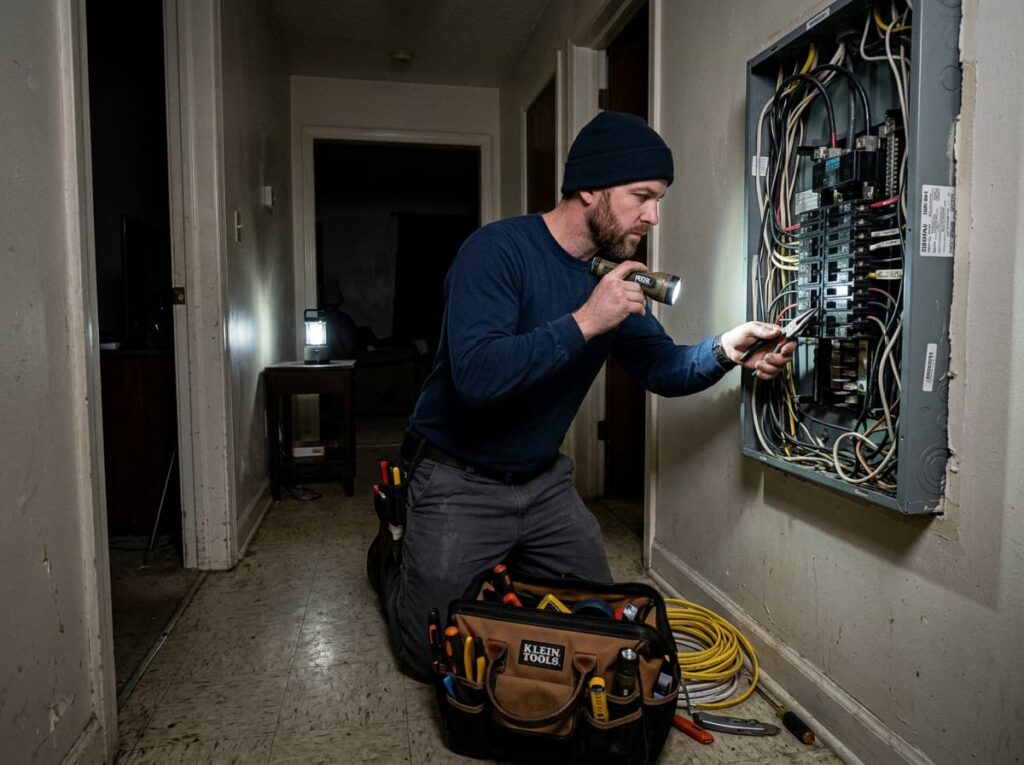
Beyond installations, we also offer emergency fixes for appliances that suddenly stopped working. A dryer that won't start may have a failed breaker or a melted outlet. A range that trips the breaker may have a short inside the appliance or a loose connection in the wall. We diagnose and repair these problems in 1‑2 hours, often saving you the cost of a new appliance.
Why Appliance Hookups Are Not DIY – Wire Gauge, Breaker Sizing, and the Danger of Shared Circuits
The most dangerous DIY appliance hookup mistake is using the wrong wire gauge. A dryer needs 10 AWG wire because it draws 24-30 amps continuously for an hour. A range needs 6 AWG because it draws 40-50 amps. Homeowners often use leftover 12 AWG or 14 AWG wire from other projects. That wire overheats, the insulation melts, and the wire inside the wall eventually shorts. By the time the breaker trips, the wire may already be on fire. Another common mistake: installing a 50A outlet on a 30A circuit. The appliance will try to draw 50A, the 30A breaker will trip constantly, and the homeowner will keep resetting it, eventually damaging the breaker and the appliance. Professional electricians verify both wire gauge and breaker amperage before connecting anything. We also ensure the circuit is dedicated (no other outlets or lights on the same circuit). A shared circuit can cause voltage drops that damage sensitive electronics in modern appliances. Finally, we install proper strain relief where the cable enters the appliance. Without it, the cable rubs against the metal edge of the appliance chassis, eventually wearing through the insulation and causing a short. These details are invisible but critical. When you hire us for an appliance hookup in Kings Point or Naperville, you get a circuit that is safe, code‑compliant, and sized correctly for your appliance.
We also help with permits and inspections. In many Kings Point and Naperville jurisdictions, adding a new circuit for an appliance requires a permit and a final inspection. We pull the permit, schedule the inspection, and provide you with a signed permit card. This documentation is valuable for insurance claims and home resale. Many home sellers discover that a previous owner's unpermitted appliance hookup causes delays during escrow. We fix that by bringing the installation up to code and getting it inspected.
Ready to Hook Up Your New Appliance Without Delivery‑Day Surprises in Kings Point, Naperville? Call Before You Buy
Do not wait until your new appliance is sitting in your kitchen, unusable. Call us before delivery. We will inspect your existing wiring, tell you exactly what needs to be upgraded, and provide a fixed price. We serve homeowners across Kings Point and Naperville with licensed, insured, and code‑compliant appliance and HVAC electrical hookups. Contact us now for a free phone consultation and upfront quote. Your new appliance will work the moment it arrives.