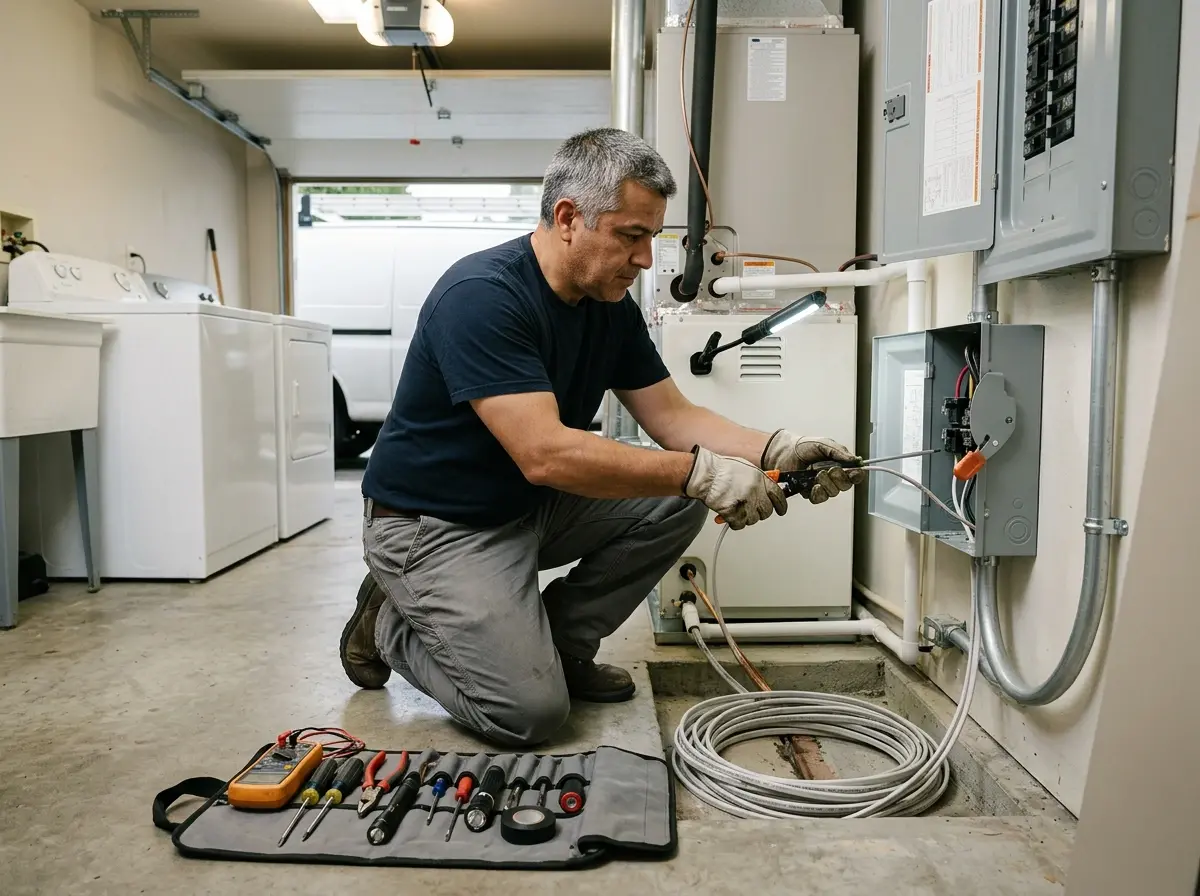
Appliance and HVAC Electrical Hookups in Peoria – Power That Matches Your New Equipment
You have just ordered a new electric range with a convection oven. Or maybe a heat pump to replace an old gas furnace. The delivery crew arrives, slides the unit into place, and then tells you: “We cannot connect this. Your outlet is the wrong type. Your breaker is too small. There is no dedicated circuit.” Suddenly, your new appliance is a decoration. This happens constantly in Peoria homes because electrical standards have changed over the decades. A house built in 1985 may have a three-prong dryer outlet that does not meet current code. A kitchen remodel from 2005 may still share a single circuit between the dishwasher and disposal. Our company solves this before the delivery truck arrives. We specialize in appliance and HVAC electrical hookups – from inspecting your existing wiring to installing brand-new dedicated circuits, correct receptacles, and code-compliant disconnects. We work with you to understand what appliance or HVAC unit you are adding, then we make your electrical system ready for it. No guesswork. No “maybe it works.” Just a safe, tested, permitted connection.
What Happens During a Pre-Hookup Inspection in Peoria
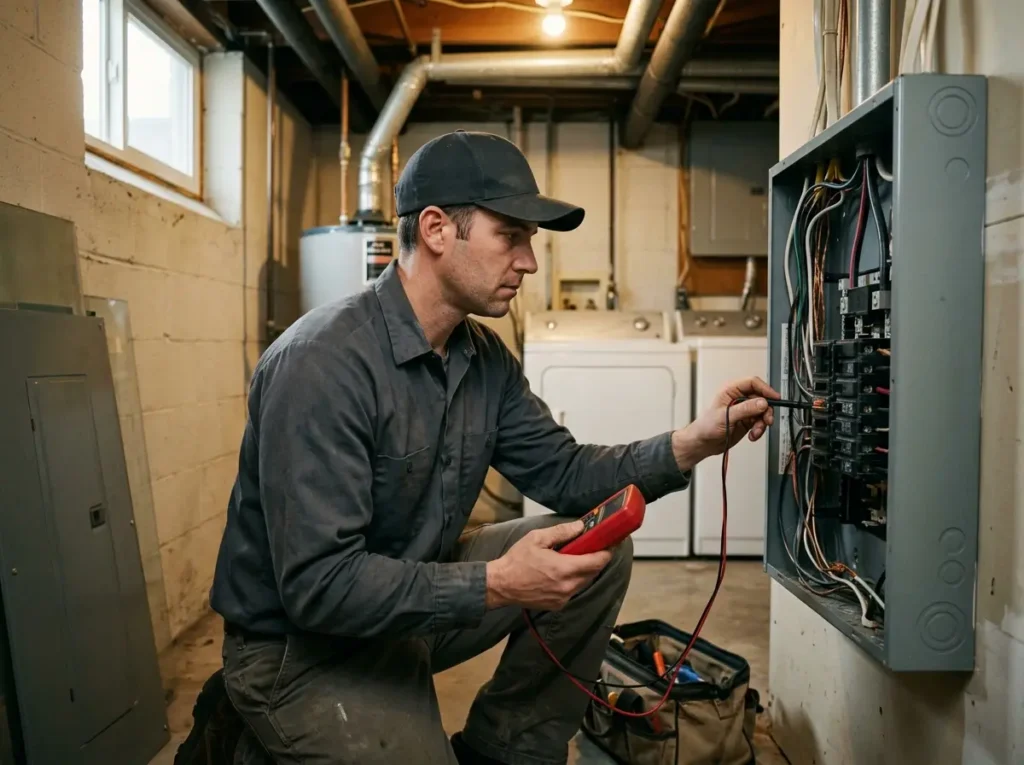
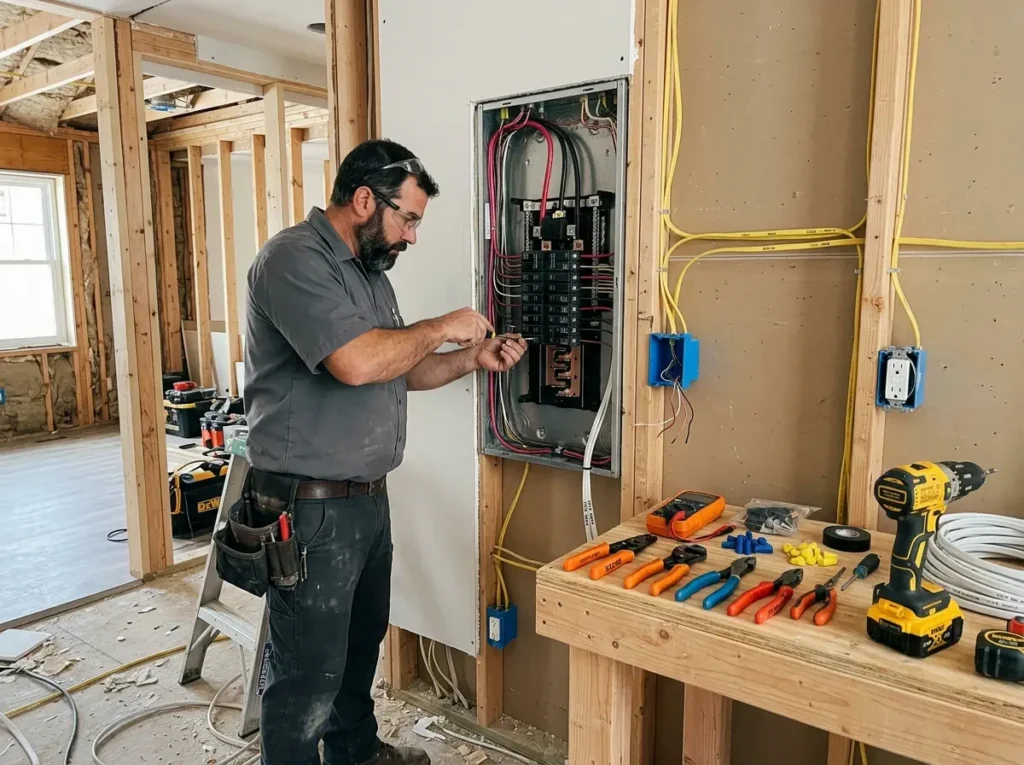
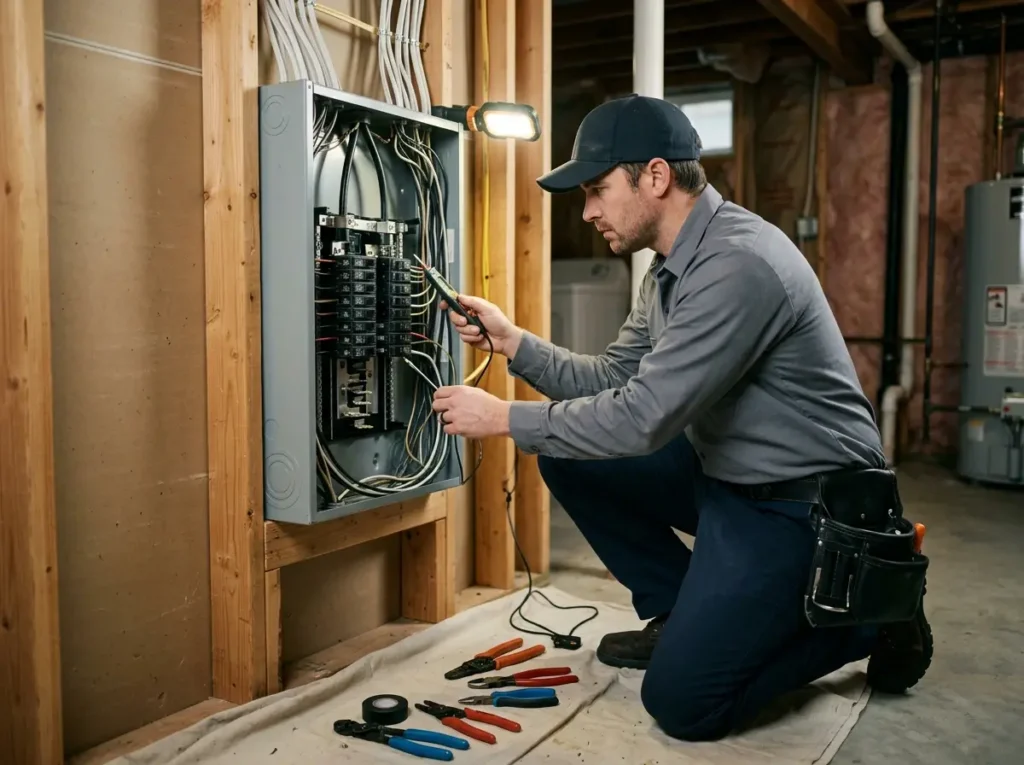
Many homeowners call us after they have already purchased an appliance, often stressed because the delivery team refused to connect it. We prefer to come before you buy. During a pre-hookup visit to your Peoria home, we take photos of your panel, measure available capacity, and note the distance from the panel to the appliance location. We ask for the make and model of the new unit or look up its electrical specifications online. Then we determine exactly what is needed: a new 240-volt outlet installation, a dedicated 20-amp circuit for a garage freezer, an AC disconnect for a condenser, or a simple outlet upgrade from a 10-30R to a 14-30R (which also requires a new four-wire cable from the panel). We write a fixed-price proposal that includes all materials, labor, permit fees, and inspection coordination. If your panel has no spare slots, we explain options: adding a tandem breaker, installing a sub-panel, or scheduling a service upgrade. You get all this information before you spend a dollar on the appliance. Homeowners in Peoria love this approach because it removes surprises.
For urgent situations – the appliance is already in your driveway – we still respond quickly. A typical same-day hookup in Peoria takes 2 to 5 hours depending on complexity. We prioritize getting your refrigerator, range, or HVAC running by evening. If the job requires a new sub-panel or major rewiring, we install a temporary hookup so you can use the appliance immediately while scheduling the full work for the next day. We do not leave you with a dead appliance and a delayed installation.
Detailed Hookup Scenarios – From Dryers to EV Chargers to Heat Pumps
Each appliance type has unique electrical demands. Below are the most common hookups we perform in Peoria, with typical timelines and technical notes. Unlike a general handyman, we understand the subtle code rules: a dryer outlet in a garage requires GFCI protection as of NEC 2023. A range outlet behind a gas stove must be accessible without moving the appliance. An AC disconnect must be within sight of the condenser and no more than 50 feet away. We follow every rule.
- Electric dryer hookup: We install a NEMA 14-30 receptacle backed by a 30-amp double-pole breaker and 10/3 NM cable. If your home has old 10-30 three-slot outlets (no ground), we run new 10/3 with ground. Time: 2 to 3 hours, including attic or crawlspace work.
- Electric range or induction cooktop hookup: Requires NEMA 14-50 receptacle, 50-amp breaker, and 6/3 cable. Older homes may have a three-wire setup; we upgrade to four-wire per modern code. Time: 2.5 to 4 hours. If the panel is far from the kitchen (e.g., opposite side of a large Peoria house), we add 1 hour.
- Dishwasher and garbage disposal: Typically hardwired or connected via a dedicated cord and plug under the sink. We install an AFCI or GFCI breaker depending on local amendments. Time: 1.5 to 2.5 hours for both units on two dedicated circuits.
- Refrigerator or freezer in garage or basement: Many older homes have refrigerators plugged into general lighting circuits. We run a dedicated 20-amp circuit with GFCI protection (required for garages). Time: 1.5 to 3 hours depending on distance.
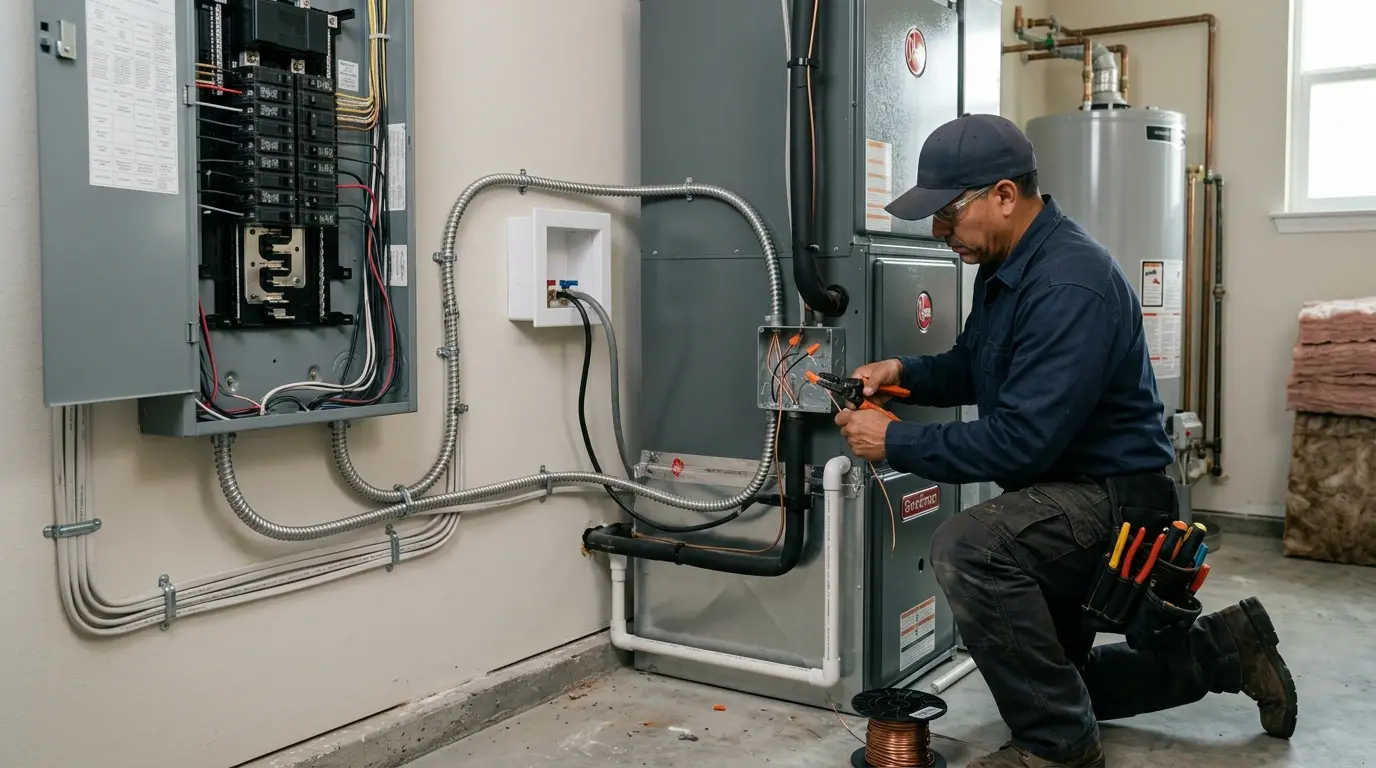
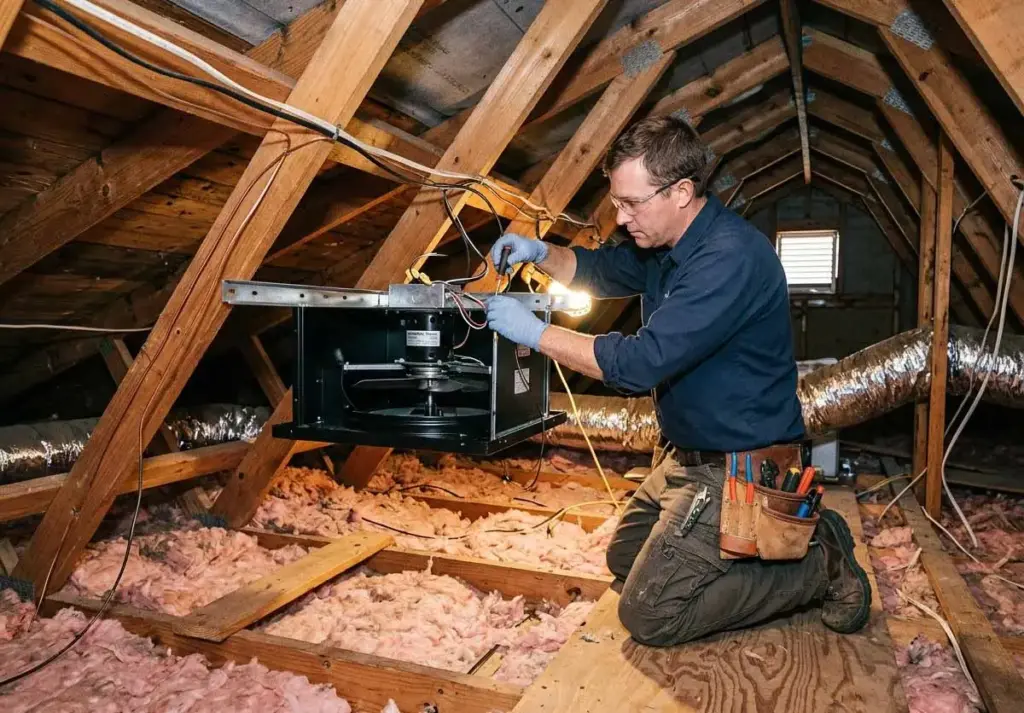
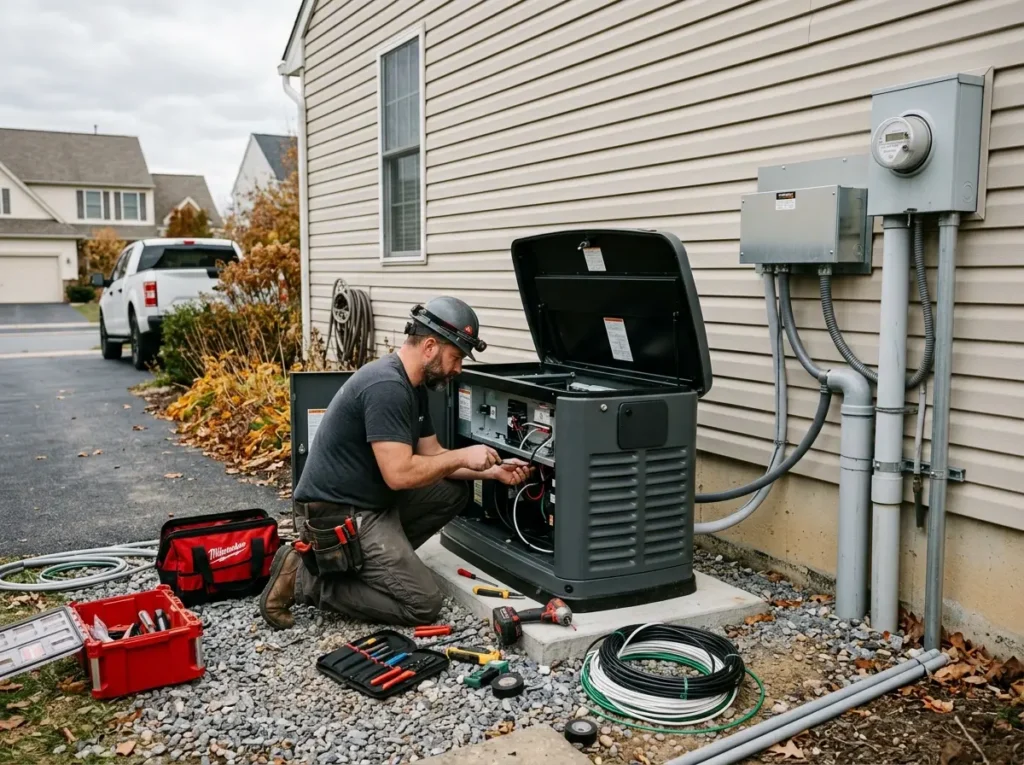
- Heat pump or air handler: For a split system, we install a 240-volt disconnect at the outdoor condenser (often 30 to 60 amps) and a separate 120-volt or 240-volt line for the indoor air handler with an emergency shutoff switch. We coordinate with your HVAC contractor to match the manufacturer’s minimum circuit ampacity. Time: 3 to 5 hours for both indoor and outdoor connections.
- Central AC compressor: A dedicated 240-volt circuit with a fused or non-fused pullout disconnect. We size wire based on the unit’s RLA (rated load amps) and LRA (locked rotor amps). Time: 2 to 4 hours.
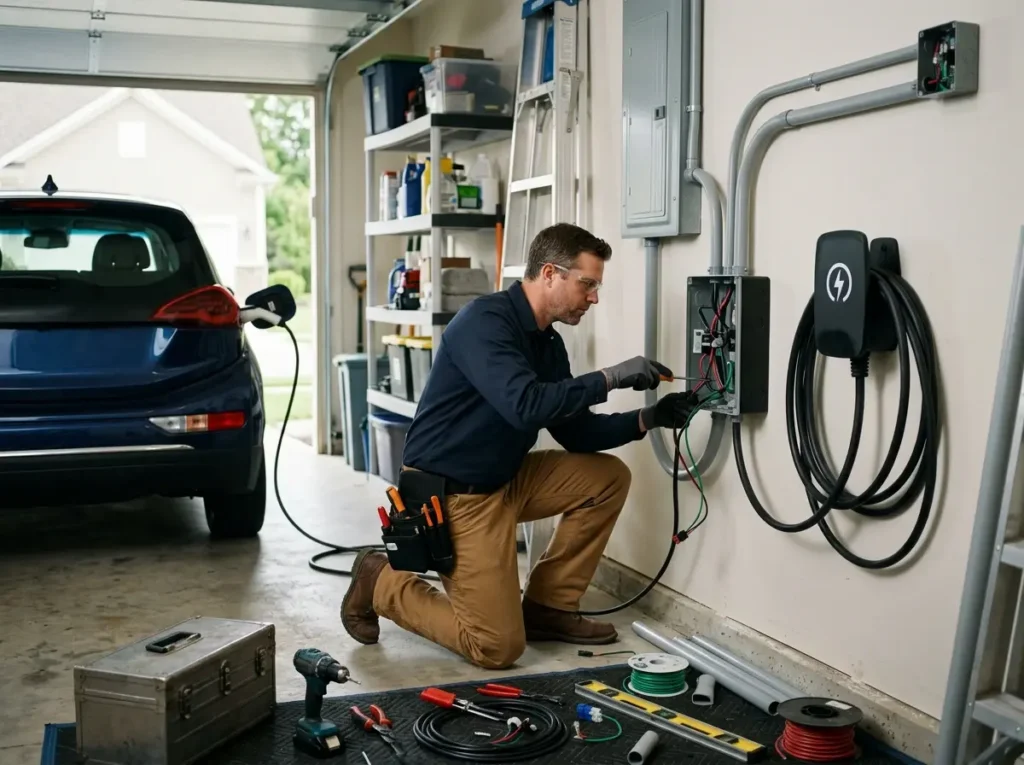
- Electric vehicle charger (Level 2): While often considered a separate category, the underlying work is identical to a large appliance hookup. We install NEMA 14-50 or hardwired connection on a 40 to 60-amp breaker with appropriate wire. Time: 2 to 5 hours depending on garage distance from panel.
- Wall oven or microwave: Built-in appliances often require a dedicated 20 or 30-amp circuit with a junction box located in an adjacent cabinet. We fish wire behind finished walls with minimal drywall damage. Time: 2 to 4 hours.
Why Incorrect Hookups Are Dangerous – And How We Fix Them
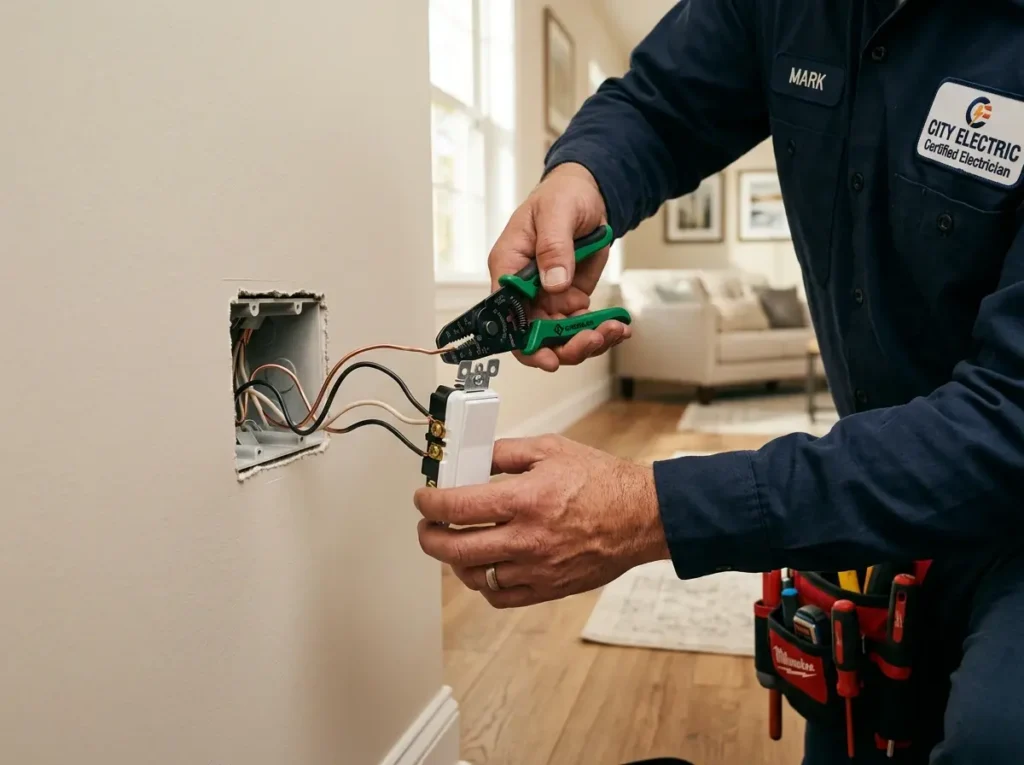
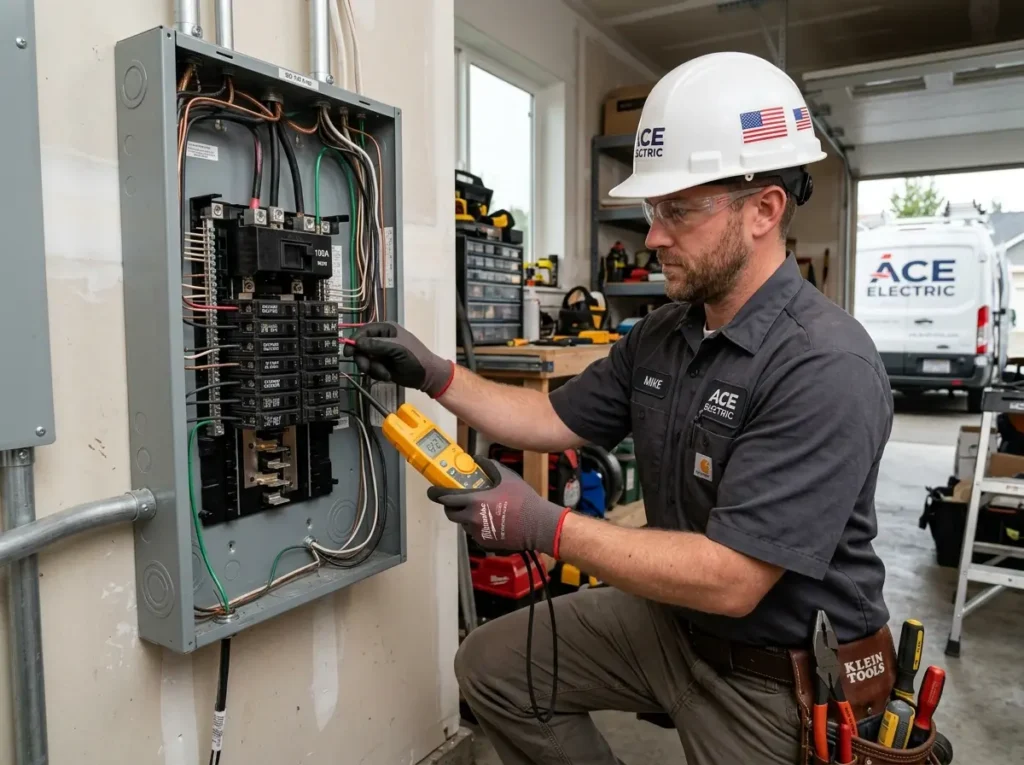
When a Peoria homeowner tries to save money by using an existing outlet that “looks close enough,” several problems emerge. The most common we see is a dryer plugged into an old range outlet (different amperage). The dryer may run, but the breaker is oversized, meaning the wire could overheat and start a fire before the breaker ever trips. Another frequent issue: loose connections inside a worn outlet. A new appliance draws full current continuously – a hair dryer runs for five minutes, but a dryer or range runs for an hour. That constant heat loosens connections further, leading to arcing, melting, and smoke. We have responded to dozens of after-hours calls where a brand-new appliance melted its own plug because the receptacle was 20 years old and loose. Our fix is simple but thorough: we replace the receptacle with a high-quality commercial-grade one (not the $3 builder grade), check the wire insulation for heat damage, and torque the terminal screws to spec. We also test voltage drop under load. If the drop exceeds 3%, we know the wire run is too long or undersized, and we replace it. This level of testing is what separates a professional hookup from a risky DIY job.
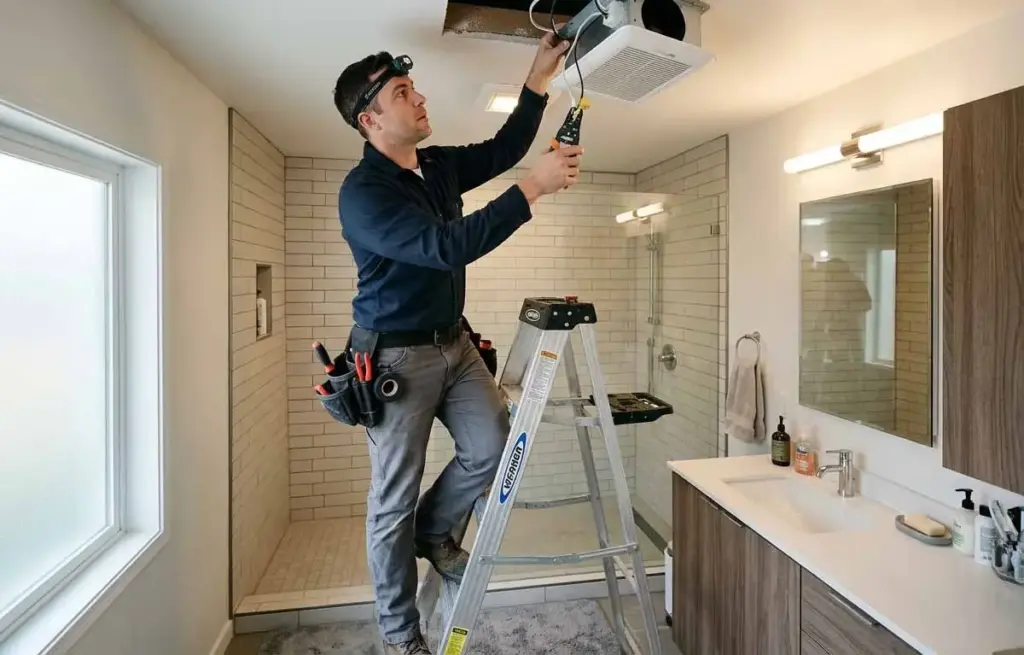
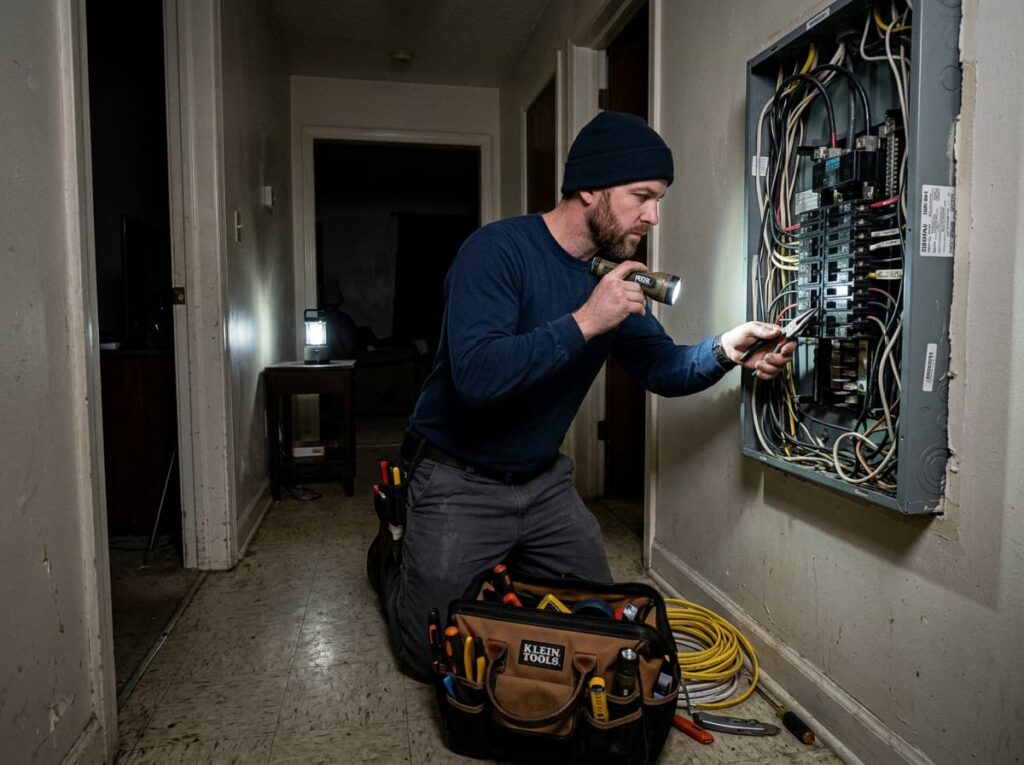
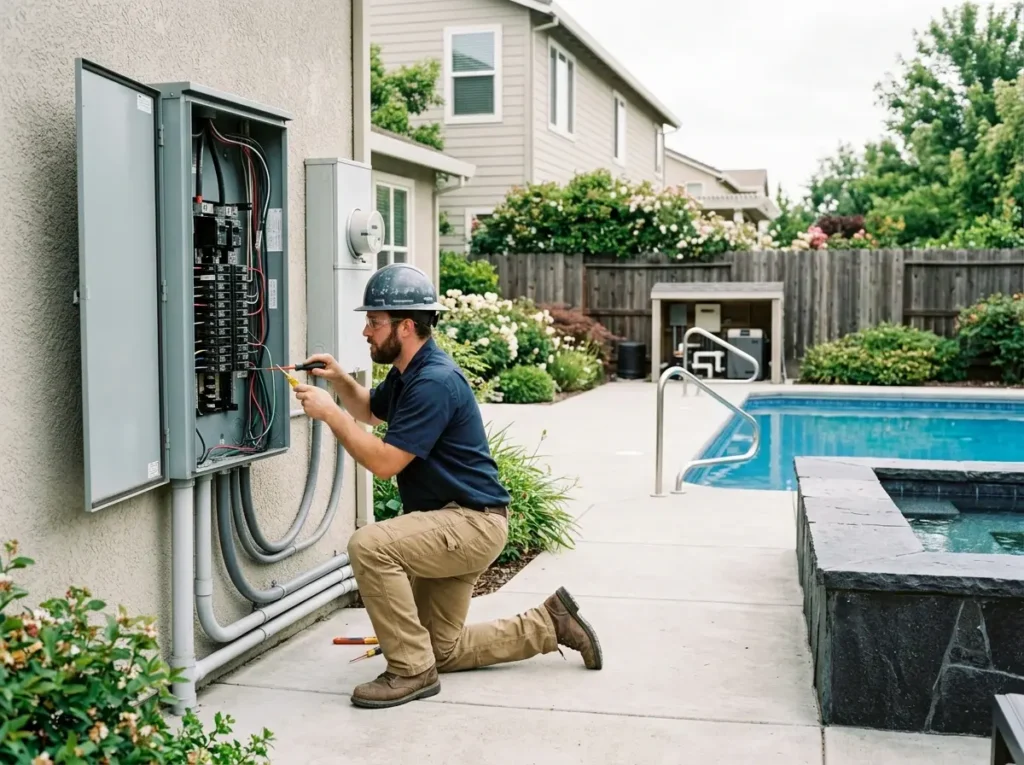
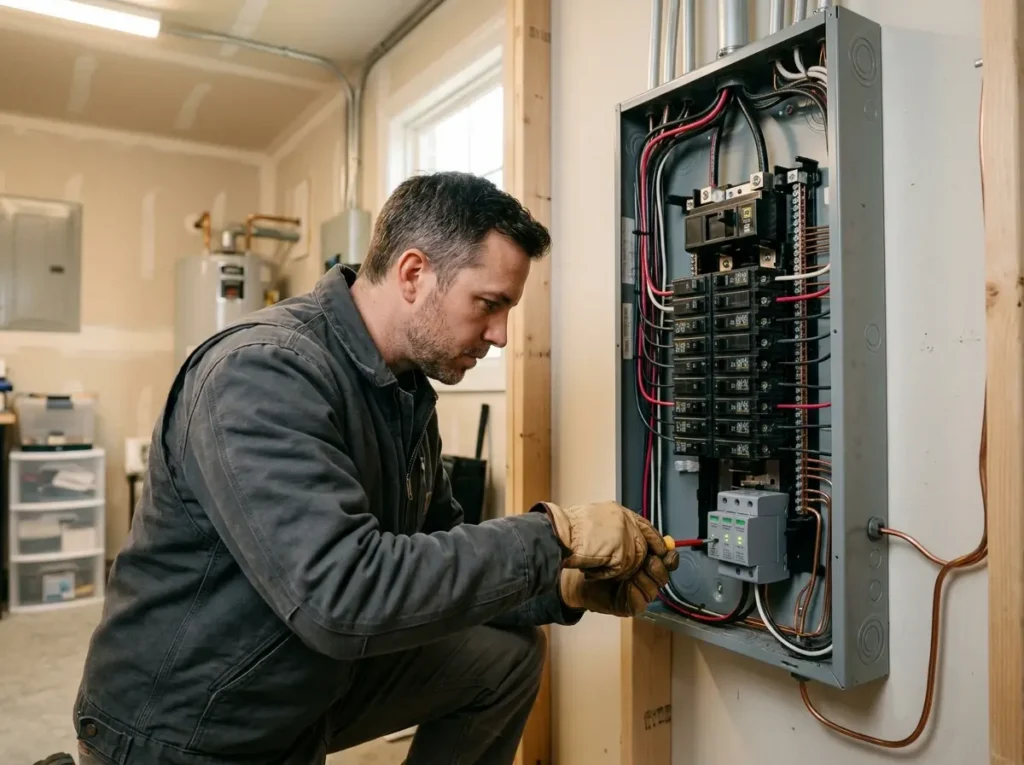
Another hidden danger is using a standard circuit breaker where a GFCI or AFCI is now required. For example, a washing machine in a Peoria basement needs GFCI protection. A dishwasher under a sink needs GFCI. Any outlet in a garage – including a freezer or refrigerator – needs GFCI. Many older panels lack these breakers, and homeowners do not realize they are unprotected. We always bring up code compliance during our hookup. If your panel is compatible, we install the correct breaker type. If your panel is obsolete (e.g., Zinsco or Federal Pacific), we explain that a full replacement is the only safe path. We never simply “make it work” with illegal workarounds. Our reputation in Peoria is built on honesty, and we prove it every day.
The Timeline – From Your First Call to a Fully Working Appliance
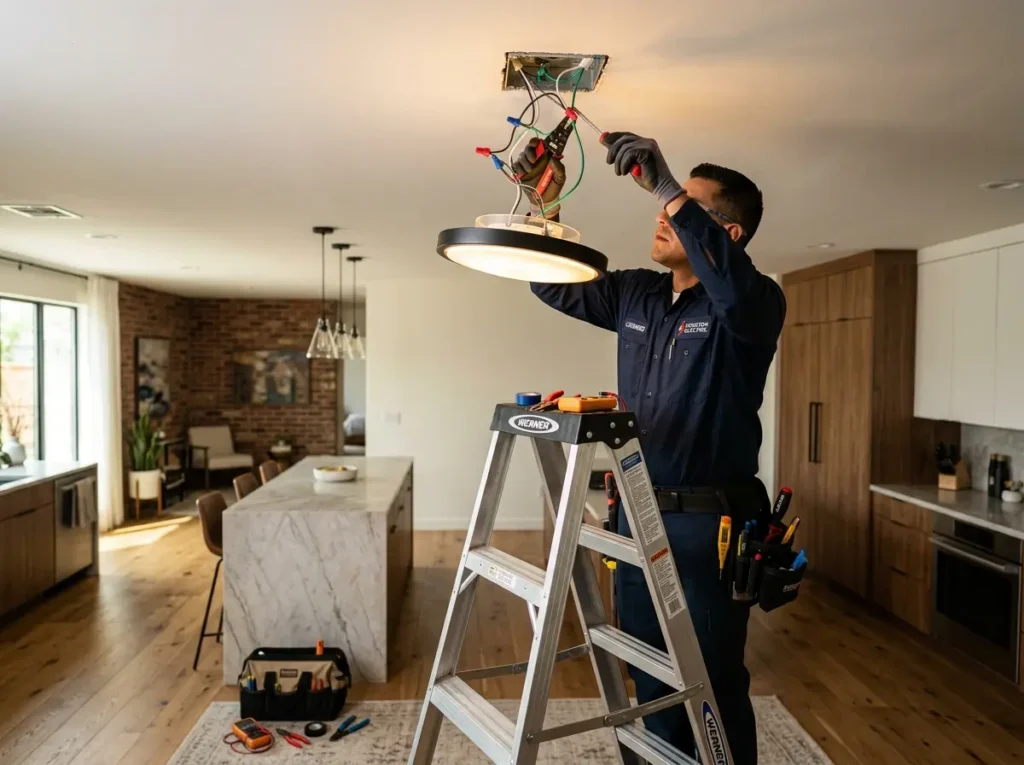
Here is what a typical appliance or HVAC hookup project looks like for a Peoria homeowner. Day one: you call us, describe the appliance (e.g., “I bought a Samsung electric range, 50 amp, and need an outlet behind it”). We ask a few questions: Is the panel nearby? Is the wall finished? Do you have a permit preference? We schedule an on-site estimate within 24 to 48 hours. The estimate visit takes about 30 minutes. We measure, photograph, and text you a fixed price within 2 hours. You approve. We schedule the installation – usually within the same week. On installation day, our electrician arrives with all materials: breaker, cable, box, receptacle, cover plate, and strain relief. They shut off the main breaker if working inside the panel (or work live with proper PPE for a single circuit – we assess risk case by case). They run cable through attic, crawlspace, or conduit as needed. They cut in a new box or replace an old one. They torque every connection, then energize the circuit. They test voltage, polarity, and ground continuity. Finally, they plug in your appliance, run a self-test (e.g., turn on the oven, run the dryer on high heat), and verify the breaker holds. Total on-site time: 2 to 5 hours. You sign off, and we leave a labeled panel and a one-year workmanship warranty. No mess, no confusion, no callbacks.
For HVAC hookups, we often work alongside your heating and cooling contractor. We coordinate schedules so the disconnect and air handler circuit are ready the day the HVAC crew arrives. This prevents downtime and keeps your project moving. We also provide a written “electrical ready” certificate for the HVAC contractor to confirm code compliance before they start the refrigerant lines.
Ready to Hook Up Your New Appliance or HVAC System in Peoria? Call Us Before the Delivery Truck Arrives
Avoid the frustration of a refused delivery or a blown breaker on your first use. Contact our office today to schedule an appliance or HVAC electrical hookup in Peoria. We will inspect your current setup, provide a transparent quote, and ensure your new equipment runs safely and reliably from day one. We serve all residential areas of Peoria. Call now for a free phone consultation or to book your on-site estimate.