
Smoke and Carbon Monoxide Detector Installation in Springfield – Hardwired, Interconnected, and Code-Compliant
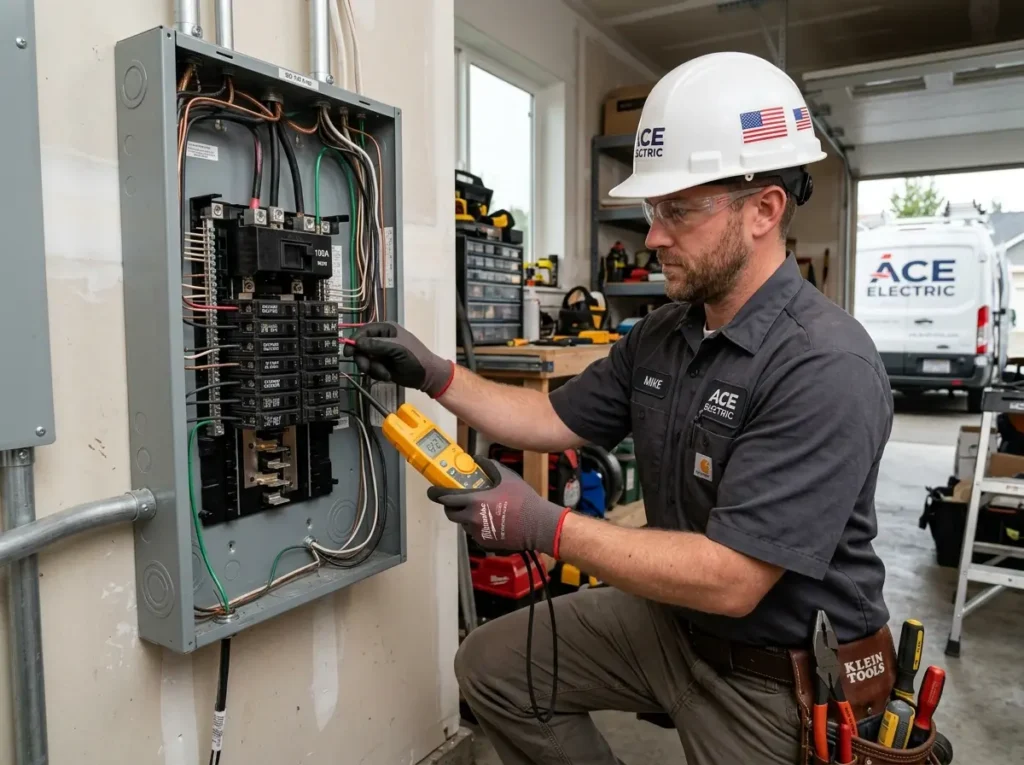
In Springfield, the difference between a working detector and a dead one can be measured in minutes. A smoldering wire inside a bedroom wall produces invisible smoke for hours before flames appear. A faulty furnace or blocked chimney can fill a home with odorless carbon monoxide while everyone sleeps. Battery-operated detectors from a hardware store provide basic protection, but they fail silently when batteries die or sensors expire. Hardwired smoke detector installation with battery backup eliminates that risk. Our company specializes in professional detector installation: we run dedicated 14/3 Romex from your electrical panel, install UL-listed junction boxes at precise locations specified by NFPA 72, and connect every alarm so that a single trigger sounds all units throughout your home. Homeowners in Springfield choose us because we treat every detector installation as a life-safety system, not a five-minute handyman task.
Where We Install Detectors – Following NFPA 72 Location Requirements Exactly
Placement is everything. Many homeowners in Springfield install smoke detectors in hallways but forget that NFPA 72 requires a detector inside every bedroom, outside each sleeping area (within 21 feet of bedroom doors), and on every level including finished basements and habitable attics. Carbon monoxide alarms must be installed on every story and within 10 feet of each bedroom door. We follow these rules precisely during every installation. Furthermore, we avoid dead air spaces – the corners where walls meet ceilings or the peaks of vaulted ceilings where smoke and CO may not reach a detector for minutes. We keep alarms at least 10 feet away from cooking appliances to prevent nuisance trips and at least 3 feet from bathroom doors to avoid steam triggers. For Springfield homes with attached garages, we install a carbon monoxide alarm inside the house near the garage entry door. Each placement decision is documented in a final report we provide to you.
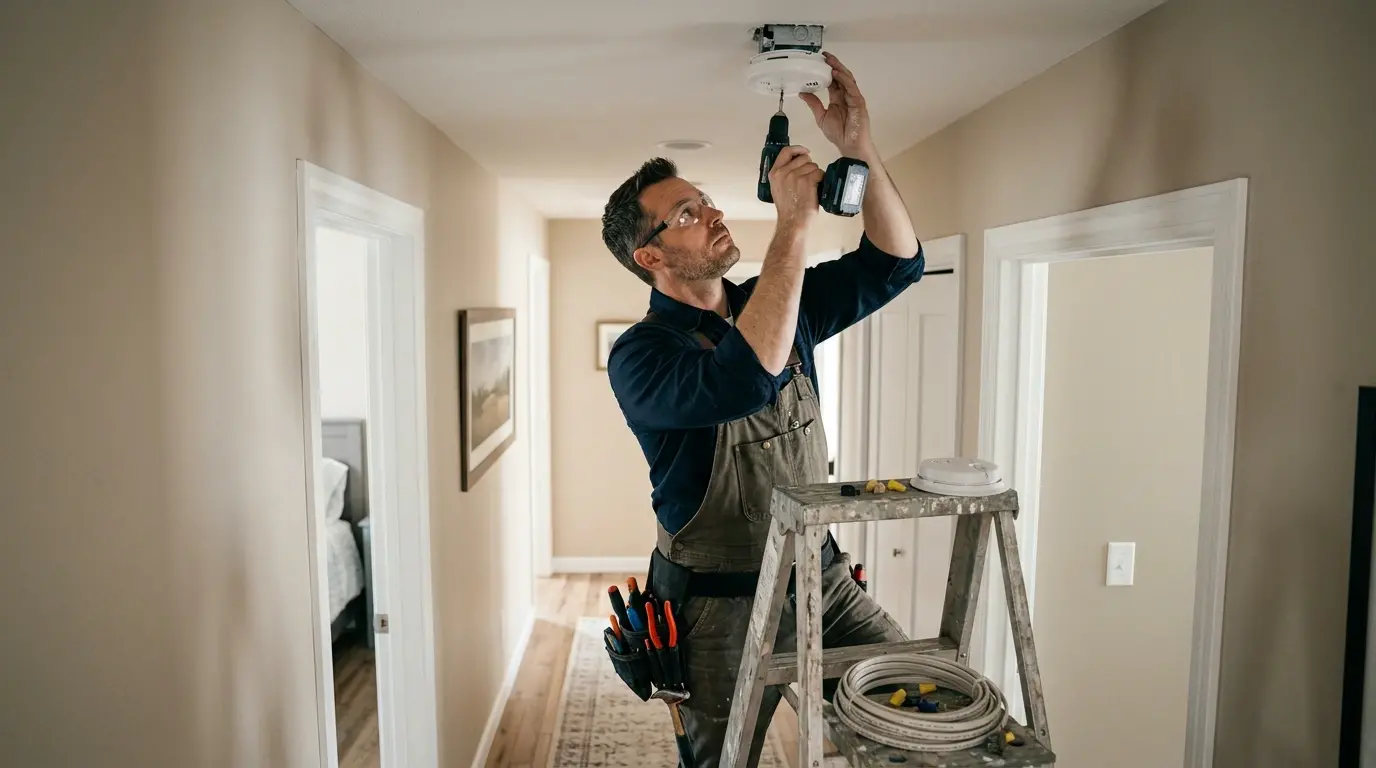
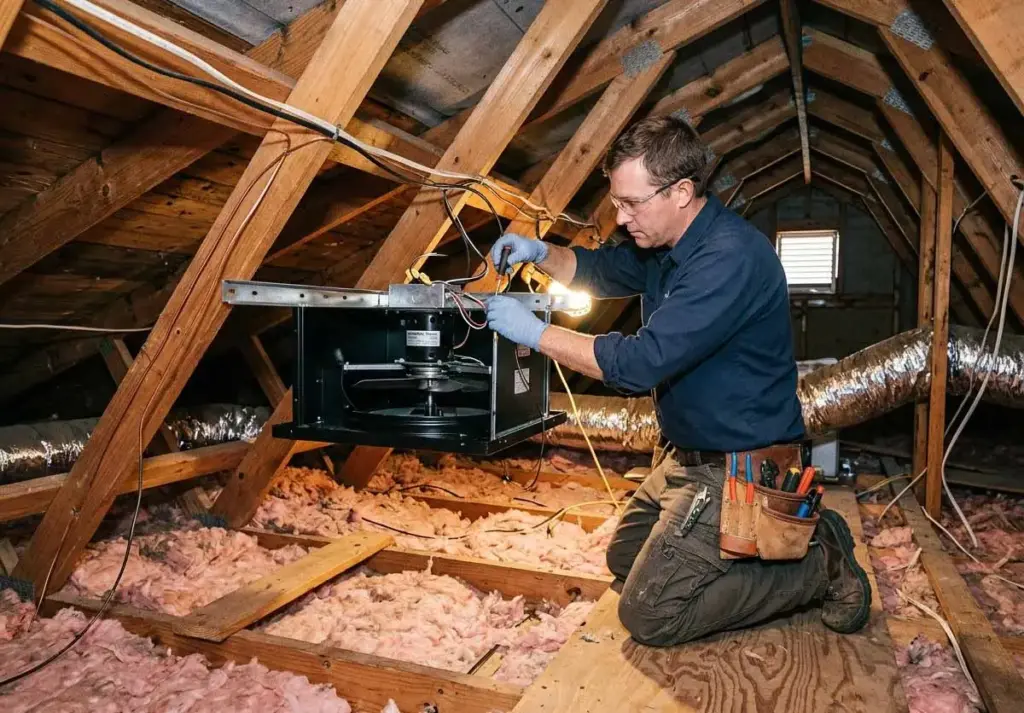
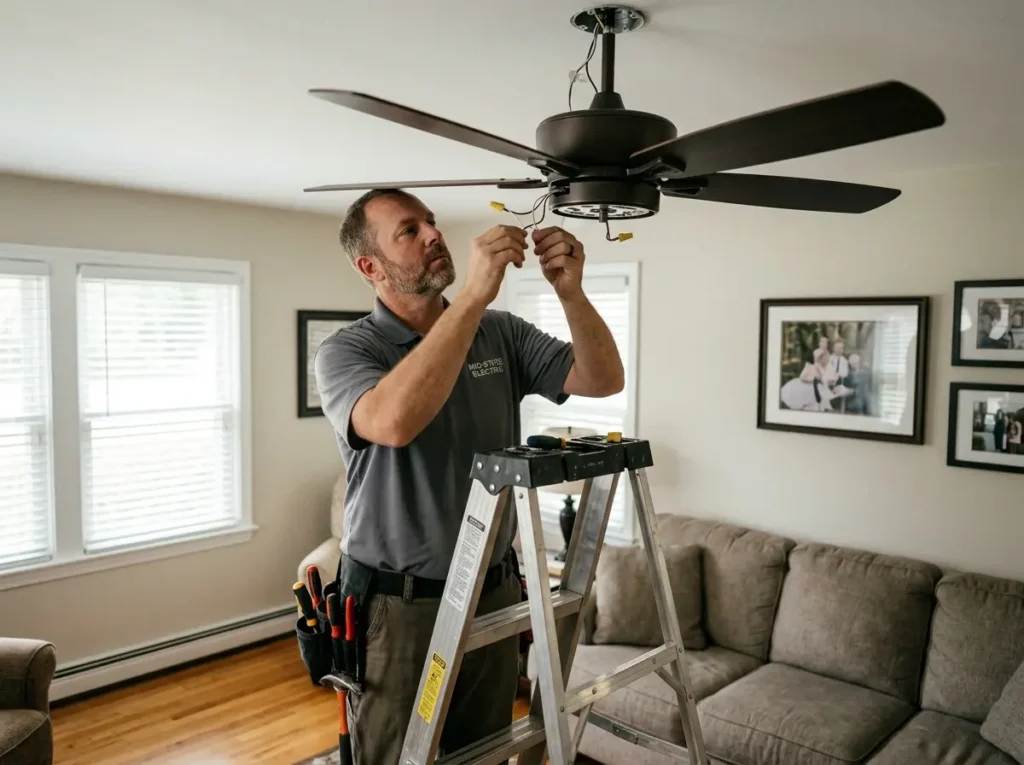
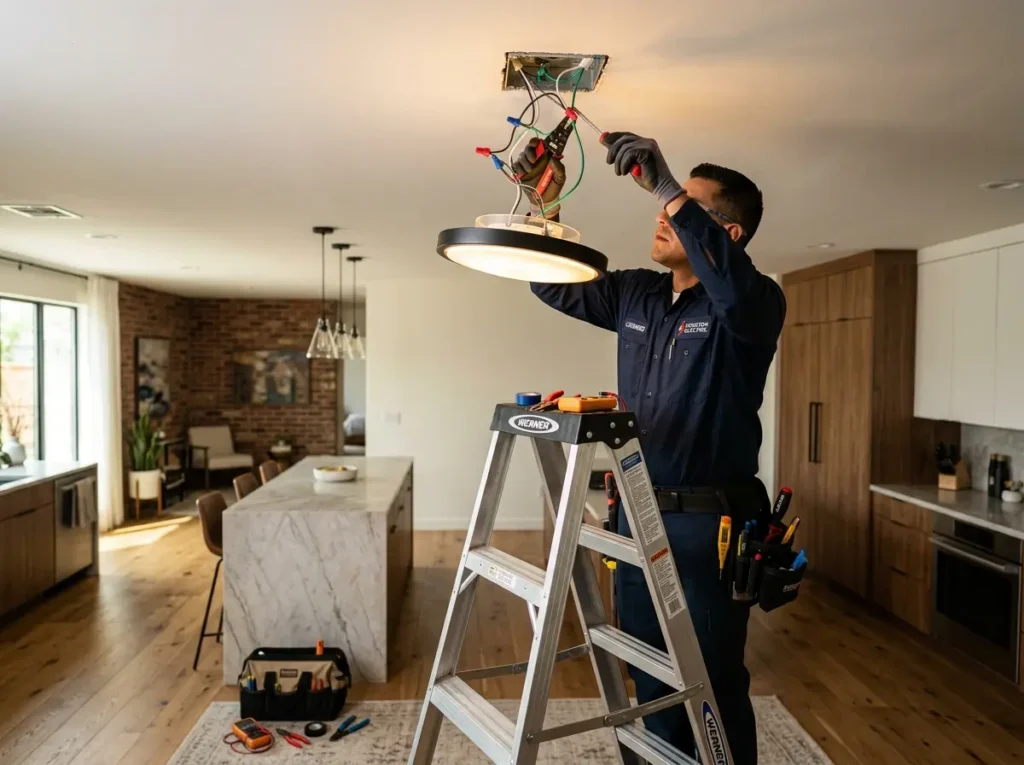
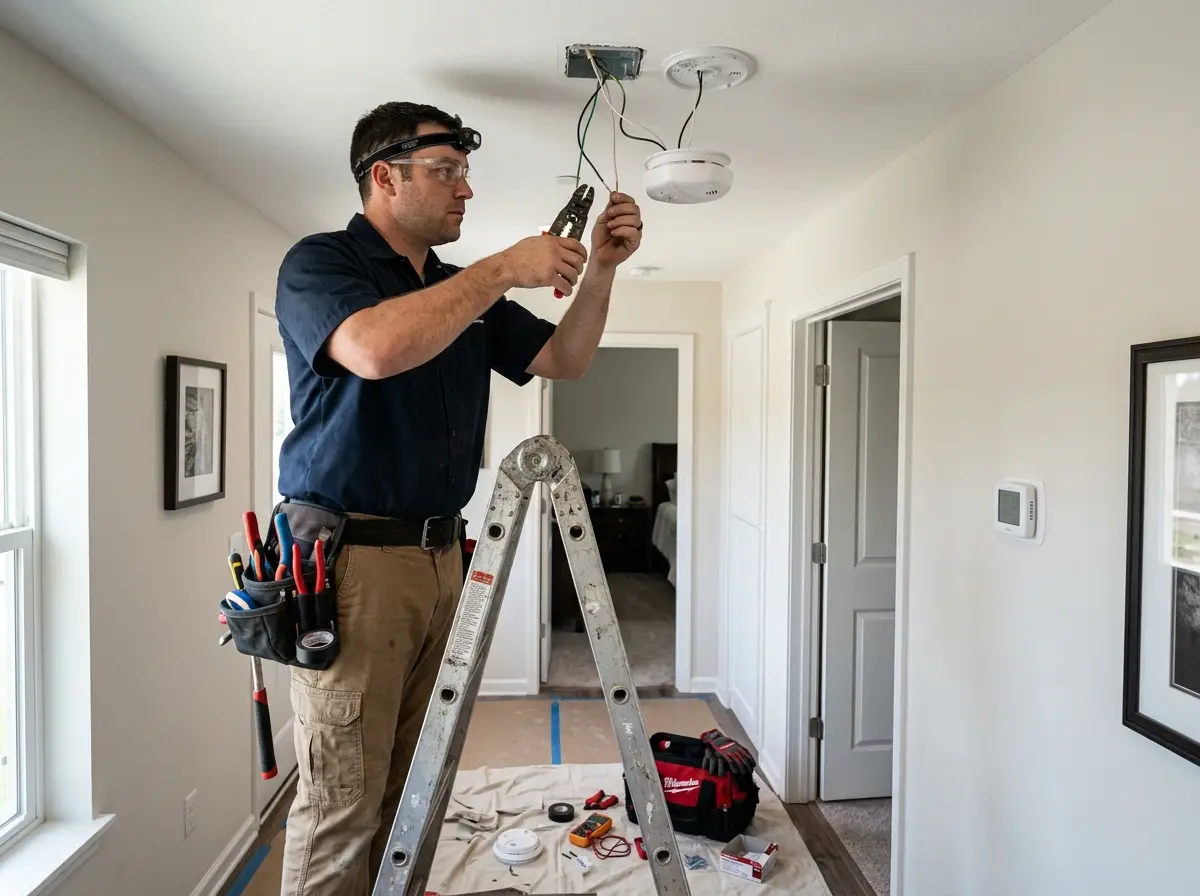
A typical installation for a 3-bedroom home in Springfield requires 5 to 8 detectors: one inside each bedroom (3 units), one in the hallway outside bedrooms (1 unit), one on the main living level (1 unit), one in the basement (1 unit), and combination smoke/CO units where required. If we are replacing old battery-only units with hardwired interconnected alarms, the job takes 3 to 5 hours. This includes running new wire from the attic or crawlspace, cutting in old-work boxes, fishing cables through insulated walls, connecting the yellow traveler wire for interconnection, and testing every unit with real smoke simulation spray. For new construction where walls are open, we complete rough-in wiring in 2 to 3 hours and final installation after drywall in another 2 hours.
Hardwired vs. Battery vs. Wireless Interconnection – What Springfield Homeowners Need to Know
Many homeowners ask whether they really need hardwired detectors. The answer depends on your local building code and your safety goals. Current NEC and most state codes require hardwired, interconnected smoke detectors with battery backup for all new construction and most renovation projects that involve wall openings. If your home in Springfield was built before the 1990s, you may have only battery-powered units. While adding hardwired detectors requires running new electrical cable, the safety benefit is enormous. Hardwired units never need battery changes (the backup battery lasts 10 years) and interconnection is automatic through the yellow wire. If running new wires is not feasible, we offer wireless interconnection modules that communicate via radio frequency between existing battery detectors and new hardwired units. This hybrid approach gives you full interconnection without cutting into finished walls. We explain both options during our site visit.
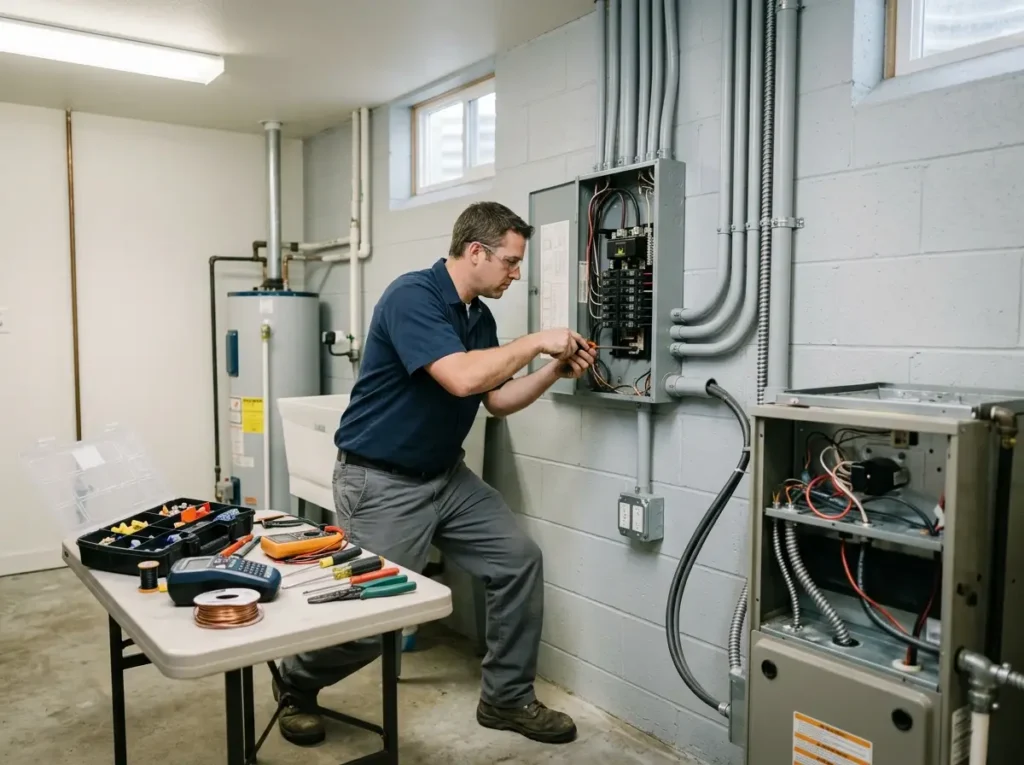
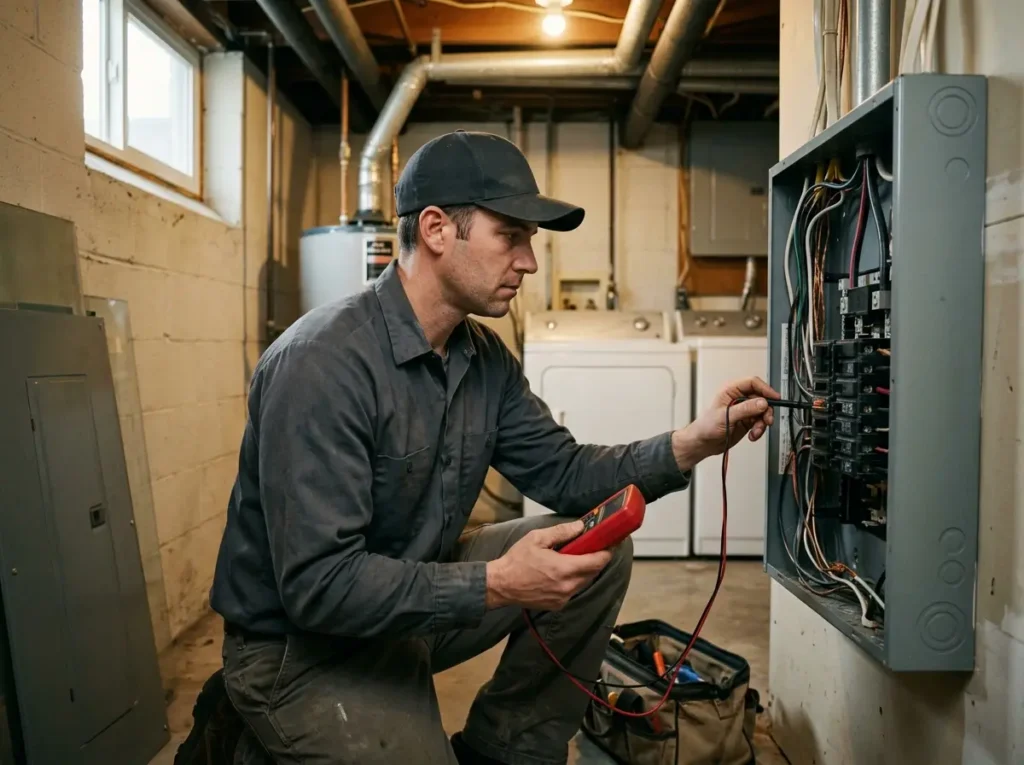
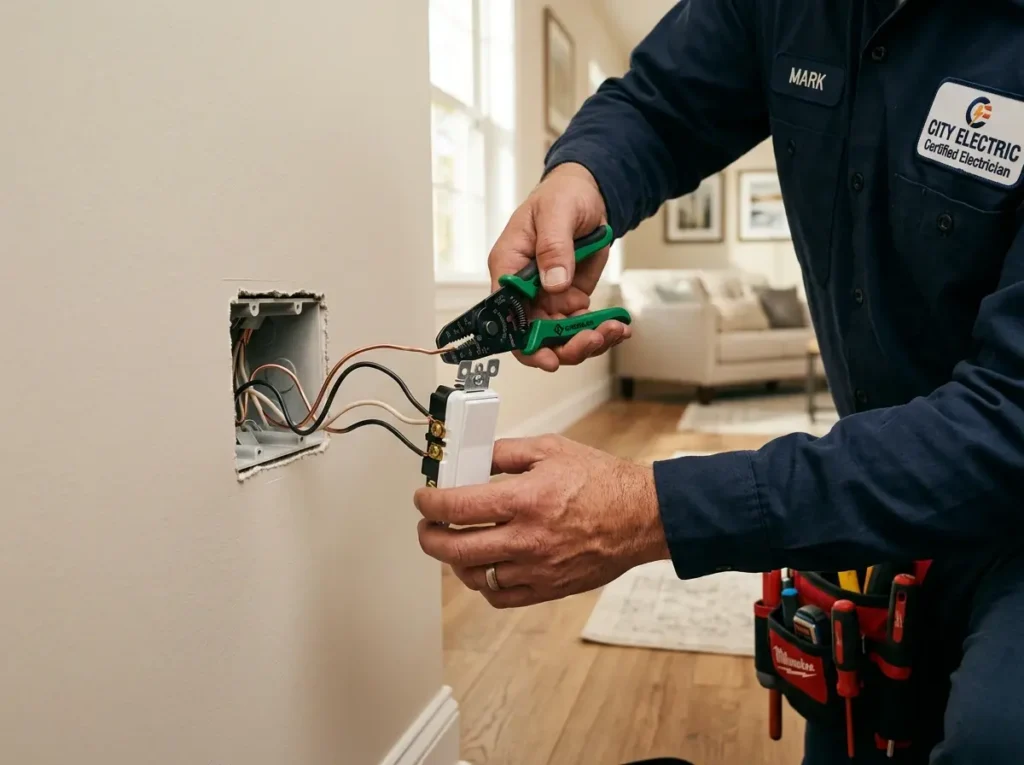
One common issue in older Springfield homes is the absence of a neutral wire at existing detector locations. Many handyman-installed units are connected only to a switch leg or lack a continuous neutral. This creates a fire hazard and prevents proper interconnection. We correct these mistakes by running a proper 14/3 homerun from the panel or from an approved junction box. The additional labor typically adds 1 to 2 hours per problematic location.
Common Detector Failure Modes and How Long Repairs Take
Even professionally installed detectors can fail over time. The most frequent problems we encounter in Springfield include:
- End-of-life chirping: Every smoke detector and CO alarm has a 10-year lifespan. After 10 years from manufacture, the internal sensor degrades, and the unit emits a chirp every 30-40 seconds. Replacing all end-of-life detectors in a home takes 1 to 2 hours for 6 to 8 units.
- Nuisance alarms triggered by cooking: Ionization detectors are highly sensitive to tiny particles from toasters, ovens, or frying. We solve this by replacing the unit near the kitchen with a photoelectric or dual-sensor model (30 minutes) or relocating the detector at least 20 feet away from cooking appliances (1 to 2 hours if wiring permits).
- Interconnection failure: One detector triggers but others stay silent. The cause is often a loose neutral or disconnected traveler wire in a junction box. We locate the break using a circuit tracer (1 hour) and re-splice or replace the damaged segment (30 to 60 minutes).
- No power to hardwired units: A tripped AFCI or GFCI breaker on the smoke circuit, or a loose connection at the panel. Resetting the breaker takes 5 minutes. Repairing a broken wire inside a wall takes 1 to 3 hours depending on accessibility.
- Carbon monoxide false alarms: Usually caused by a malfunctioning unit or actual low-level CO presence. We test with a calibrated CO meter to verify true levels. If the detector is faulty, replacement takes 15 minutes. If actual CO is present, we advise calling the fire department and scheduling a furnace/appliance inspection.
Most service calls in Springfield for detector issues are resolved within 1 hour. Complete whole-home hardwired upgrades take 3 to 6 hours, depending on attic access and number of units. We always provide a fixed price before drilling any holes or running any wires.
Why Homeowners and Realtors in Springfield Rely on Our Detector Installation Service
Real estate transactions in Springfield frequently require a professional smoke and carbon monoxide detector inspection. Many buyers' lenders and insurance companies will not close a loan or issue a policy without proof of functional, code-compliant detectors. We provide a signed certificate listing every detector location, sensor type, installation date, and battery replacement schedule. This document satisfies all common requirements from underwriters and municipal inspectors. Additionally, we register each detector's warranty with the manufacturer on your behalf, so if a unit fails within the 10-year period, replacement is covered at no cost to you.
We also educate homeowners on simple maintenance: vacuum detector covers every 6 months to remove dust, test units monthly using the test button, and never paint over a smoke alarm. Our installation includes a laminated card with these reminders, attached to your electrical panel. Homeowners in Springfield appreciate this level of detail because it shows we care about long-term safety, not just completing a work order.
Ready to Upgrade Your Springfield Home to Professional, Interconnected Protection?
Do not trust your family's safety to outdated battery-only detectors or handyman wiring. Call our office today to schedule a free on-site evaluation. We will inspect your current setup, identify missing detectors, check for correct placement, and provide a written quote for hardwired or wireless interconnected installation. Every new detector we install meets UL 217 (smoke) and UL 2034 (CO) standards. Contact us now to ensure that when an emergency happens, your alarms will work exactly as designed.